Australian Health Journal

Harnessing the skillset and availability of the nation’s Exercise Physiologists and Scientists

Katie Lyndon MBA, BAppSci, ESSAF, FACHSM, CHE, AEP, AES, GAICD, CHIA, is an allied health professional and executive leader with nearly two decades of experience spanning executive leadership, delivery of strategic programs across the health system and clinical care.

As CEO of Exercise & Sports Science Australia (ESSA), Katie brings a unique blend of frontline experience and strategic vision to advance the profession and advocate for evidence-based exercise in preventive health and chronic disease management. Her long-standing commitment to ESSA includes serving as Board Vice President, Policy and Advocacy Manager, Standards Council member and ESSA Fellow.

HEALTH CARE BRIEF: Type 1 Diabetes (T1D)

Type 1 Diabetes – Incidence rates, management, lived experience & research

HEALTH CARE BRIEF: Venous thromboembolism (VTE)

Venous thromboembolism (VTE) – Incidence rates, symptoms, risks, research & innovation

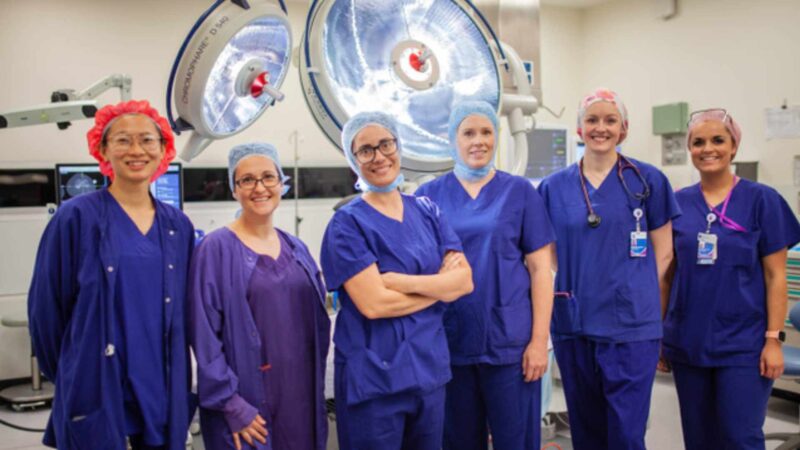
HEALTH CARE BRIEF: Postpartum haemorrhage

Postpartum haemorrhage- Incidence rates, symptoms, risks, research & innovation

New AIDH digital strategy adds pillar to previous aims 

Australasian Institute of Digital Health (AIDH), today has released the AIDH Strategic Plan for 2026–2028, recently approved by the Board. This plan acts as a roadmap, as well as a shared statement of purpose and intent, guiding where AIDH will focus its effort, investment and voice over the next three years.

Intersection of multiple births, birth trauma and perinatal mental health

Mothers of multiples are five times more likely to experience depression and have triple the rates of anxiety compared to mothers of singletons. Danya McStein is a Clinical Team Manager at Gidget Foundation Australia, talks about mothers expecting twins showing prenatal depressive symptoms, while postpartum, facing higher risks of clinical exhaustion and postpartum depression.

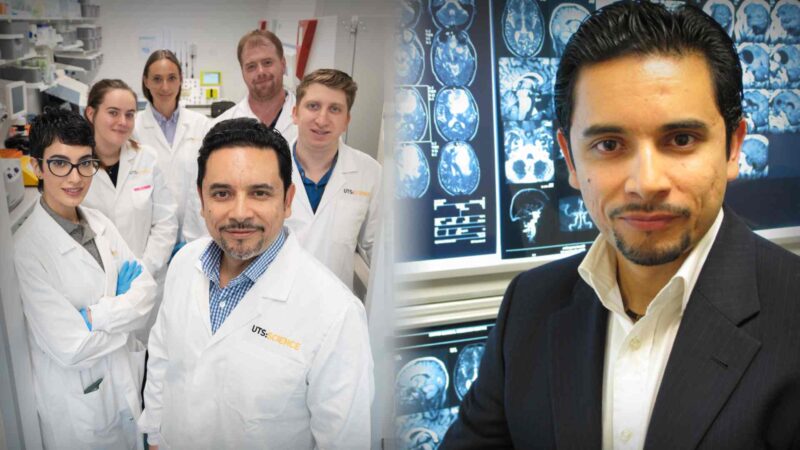
Clinical pain neuroscientist talks about how the brain processes pain information

Persistent pain affects one in five Australians and costs the nation an estimated $73 billion per year in health system costs, lost productivity and other financial costs.

Persistent pain also has debilitating personal costs – negatively impacting quality of life and the ability to engage in meaningful work and life activities.

Despite the enormity of this problem, very few effective treatments exist with most showing only small to moderate improvements. New treatments are desperately needed. The group believes the best way to create impactful change is to work with people with lived experience of persistent pain to devise solutions with them, not for them.

Early detection & surveillance guides for pancreatic cancer

Pancreatic cancer remains one of Australia’s deadliest cancers, with five-year survival rates hovering at just 14%, with little improvement over several decades. Often called the ‘silent killer’, the disease frequently presents with minimal or vague symptoms, resulting in late diagnoses and poor outcomes. Pancare Foundation is leading the rollout of new clinical resources and surveillance guides to support healthcare professionals in identifying at-risk patients and promoting early detection.

The quest to create an Australian framework for a Palliative Care Pharmacist

Helen Stone is the State and Territory Manager SA & NT for the Pharmaceutical Society Australia. Her professional interests include palliative care, pharmacist professional services, mental health, leadership, and management.

She has recently led teams of pharmacists in innovative pharmacy practice models including in aged care, GP practice, palliative care and dementia support. This has contributed to the body of evidence for sustainable funding for embedded pharmacist roles in primary care and aged care settings.

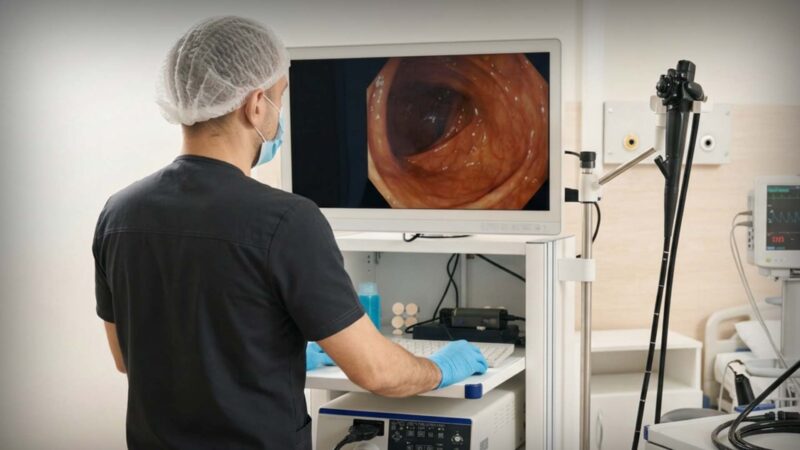
Streamlining and centralising training for gastroenterologists

Dr Amit Saha is a Paediatric Gastroenterologist and Hepatologist and trained paediatric endoscopist based in Perth. He underwent his higher specialist training in Paediatrics within the NHS in the UK, and sub-specialised in Paediatric Gastroenterology Hepatology & Nutrition at busy and prestigious centres in London including The Kings College Hospital.

Scroll to top