
-
Ready to unleash the potential of the pharmacist health workforce
Last week, Associate Professor Fei Sim the National President of the Pharmaceutical Society of Australia (PSA), the peak body representing 39,000 pharmacists across Australia’s health system, spoke to Australian Health Journal about the release of the Unleashing the Potential of our Health Workforce – Scope of Practice Review. The review and final report sets out to create a clear pathway for health professionals to contribute more to our health system and practice to their full and top of scope.
-
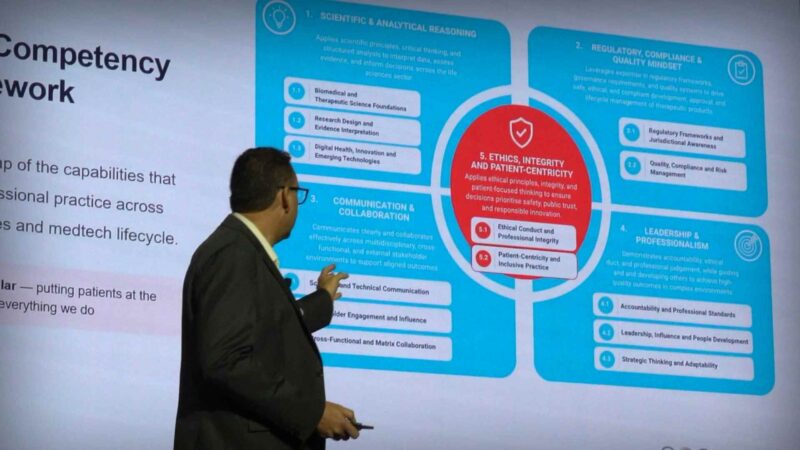
New reimagined identity LifeSciences Australia repositions for sector
In June 2026, ARCS Australia formally became LifeSciences Australia — a name chosen to reflect the role the organisation plays across Australia’s life sciences sector.
Over more than 40 years, ARCS has grown well beyond its origins as a training and education body for regulatory and clinical specialists. Today, the organisation supports professionals across the entire life sciences sector — from early research through regulation, development and commercialisation — through an expanding range of programs and initiatives.
-
WA and QLD RSV Immunisation programs show drops in infant hospitalisations
RSV is the number one cause of hospitalisation of Australian children under five years of age, according to the Immunisation Foundation of Australia (IFA). There are mounting concerns that Australians at greatest risk of severe Respiratory Syncytial Virus, or RSV will miss out on protection against the lung infection, with the Federal Government failing to commit to a national RSV immunisation program.
Post Views: 326
Intersection of multiple births, birth trauma and perinatal mental health


Recent Segments
- Global Women’s Health report identifies concerning drop in Australian breast cancer screening
- Launch of Paediatric Eye Care Training
- Applying artificial intelligence to medical imaging for cardiovascular disease detection
- From nurse, to roles in medtech marketing, championing women’s health
- Medication management and quality use of medicines