
 https://orcid.org/0000-0002-8320-3668
-
Oral administration of insulin for Type 1 Diabetes
Huiwen Pang is a 3rd year PhD candidate in the Australian Institute for Bioengineering and Nanotechnology, University of Queensland, focusing on biomedical health research. Prior to commencing his PhD, Huiwen studied animal genetics in his Masters degree at Huazhong Agriculture University in China.
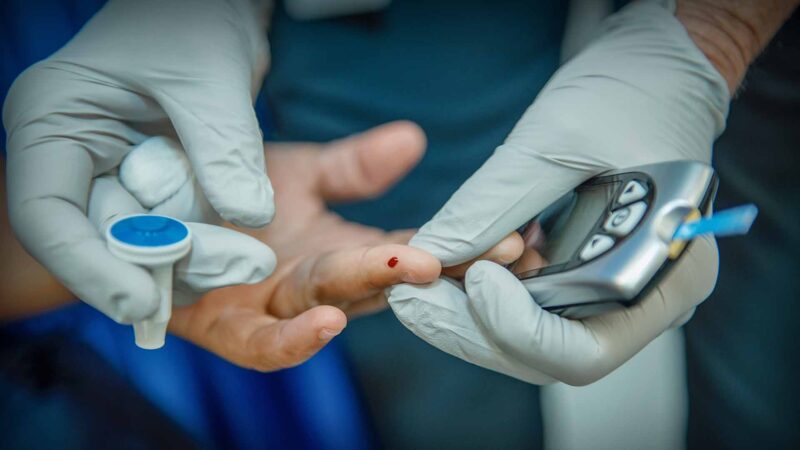
People with diabetes, especially Type 1 diabetes, largely rely on the insulin injections or insulin pumps to control their high blood glucose levels, which is painful and has a high risk of infections.
Huiwen Pang is conducting research on nano-based drug formulations for Type 1 diabetes treatment, with a focus on using nanomaterials to load insulin for oral administration and employing anti-apoptotic and anti-inflammatory approaches to mitigate damage to beta cells.
-
Medically Complex Pregnancies
A/Prof Shelley Wilkinson is an Advanced Accredited Practising Dietitian, Fellow of Dietitians Australia, and a leading Australian researcher in maternal health and implementation science.
She has over 30 years of experience in the field and holds a PhD in Psychology. Her passion is in health service redesign through co-creation and combining the ‘know-what’ of nutrition with the ‘know-how’ of innovative behaviour change techniques.
-
Vision impairment in children and the impact on children and their families
Dr Sue Silveira holds a conjoint academic position with Macquarie University and is the Course Director for their Master of Disability Studies, which is administered and delivered by NextSense Institute in affiliation with the University. She teaches in the areas of vision impairment and disability, and aims to share her knowledge while learning from others, especially people who are blind or have low vision and their families.
Post Views: 414
Big data research in maternal, perinatal and renal health epidemiology


Recent Segments
- Drug delivery of targeted therapies for pancreatic cancer, motor neurone disease
- Physiotherapist-led care for musculoskeletal conditions in the emergency department
- RESEARCH IMPACT: 32 years of understanding, diagnosing, treating & preventing the onset of heart disease
- Research Australia Awards celebrate researchers in life-changing science and discovery
- Connecting Students with Careers in MedTech