
 https://orcid.org/0000-0002-9088-4799
-
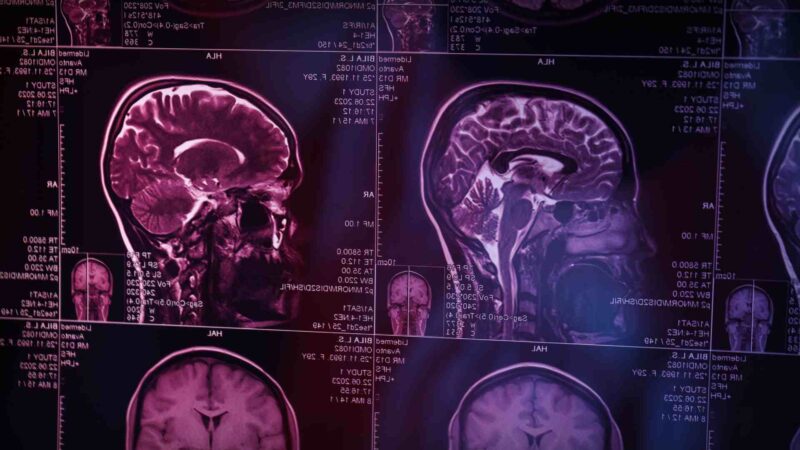
Cellular mechanisms of traumatic brain injury & concussion
Professor Melinda Fitzgerald is Deputy Vice Chancellor, Research at Curtin University, John Curtin Distinguished Professor and CEO of Connectivity Traumatic Brain Injury Australia.
She has published over 135 papers; recent highlights include Lancet Neurology, J Neuroscience, Nature Nano, ACS Nano, Biomaterials. Currently held grants/Projects total $10.1 million; CIA for $5.2 million of these; $18.5 million total research and equipment funding, $9.9 million as CIA; continuous category 1 grant funding as CIA since 2009.
-
Genetic alterations in prostate cancer initiation and progression
Watch Dr Kelsie Raspin, a dedicated Postdoctoral Research Fellow specialising in Cancer Genetics at Menzies Institute for Medical Research, University of Tasmania, talk on bridging a critical knowledge gap in the understanding of genetic alterations implicated in prostate cancer initiation and its progression into metastatic forms.
-
Nanoparticles & microparticles to combat antimicrobial resistance
Dr Anjana Jayasree is an emerging research leader in biomaterials, tissue engineering and nanotechnology, recognised internationally for her innovative work on antimicrobial nanoparticles and regenerative therapies. A Postdoctoral Research Fellow at The University of Queensland, she operates at the intersection of materials science, drug delivery and cellular biology, developing advanced metallic-based nanotechnologies to improve both human and animal health outcomes. Her expertise spans nanoparticle synthesis, cell–material interactions, and the design of sophisticated in vitro models to investigate soft-tissue integration, osseointegration, angiogenesis and biofilm formation.
Post Views: 201
Metabolic phenotyping, lipidomics & bioinformatics in dementia

Recent Segments
- Vaccine effectiveness against infections triggering autoimmune disease
- Significant funding announced for NSW biomedical researchers
- Sydney North Neighbourhood Health Hubs to approach health and welfare in holistic way
- Evolution in consumer diagnostics with saliva based pathology
- Course developed for people with intellectual disability to learn about research