
 https://orcid.org/0000-0002-9088-4799
-
Oral administration of insulin for Type 1 Diabetes
Huiwen Pang is a 3rd year PhD candidate in the Australian Institute for Bioengineering and Nanotechnology, University of Queensland, focusing on biomedical health research. Prior to commencing his PhD, Huiwen studied animal genetics in his Masters degree at Huazhong Agriculture University in China.
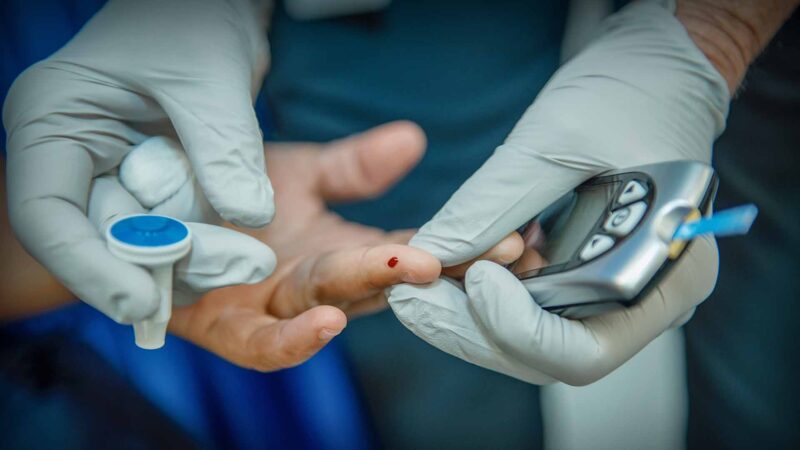
People with diabetes, especially Type 1 diabetes, largely rely on the insulin injections or insulin pumps to control their high blood glucose levels, which is painful and has a high risk of infections.
Huiwen Pang is conducting research on nano-based drug formulations for Type 1 diabetes treatment, with a focus on using nanomaterials to load insulin for oral administration and employing anti-apoptotic and anti-inflammatory approaches to mitigate damage to beta cells.
-
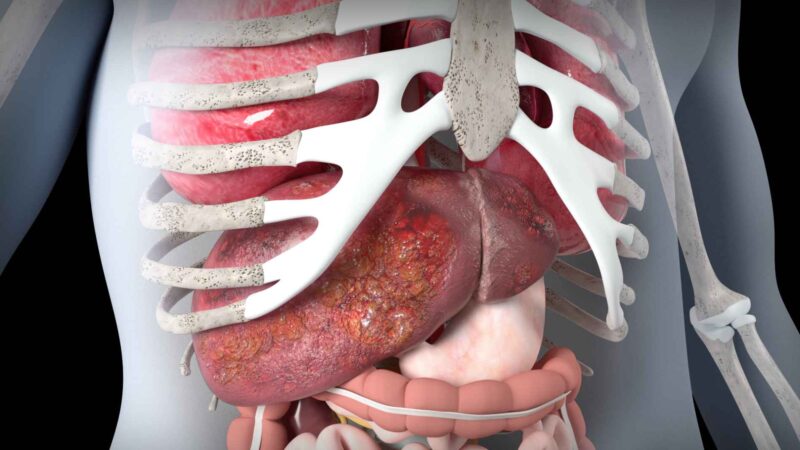
Therapy to prevent hepatocellular carcinoma in people with liver cirrhosis
Professor John Olynyk is a Gastroenterologist & Hepatologist with over 30 years’ experience, primarily at The Fiona Stanley & Fremantle Hospital Group. He planned the Gastroenterology and Hepatology Service for the Fiona Stanley Hospital and was Head Department from 2010 until 2020.
Professor John Olynyk was appointed as Associate Dean and Head of the Medical Discipline at Curtin University in 2023 until 2025 and is now Associate Director, Clinical Engagement, Curtin Medical Research Institute, Curtin University.
-
Patient reported outcomes in the diagnosis and treatment of lymphoma
Dr. Elizabeth Goodall (BMedSci Hons, MBBS Hons, FRACP, FRCPA) is a PhD student and early career researcher with La Trobe University and the Olivia Newton John Cancer Research Institute (ONJCRI), and Haematologist at Austin Health and Monash Health, Melbourne.
Her specific interest in how patients experience their illness and treatment forms the basis for her research in improving patient outcomes. This research comes at a pivotal time in modern lymphoma management with an ever-increasing number of treatment options available and renewed focus on each patient’s journey.
Post Views: 553
Metabolic phenotyping, lipidomics & bioinformatics in dementia

Recent Segments
- Drug delivery of targeted therapies for pancreatic cancer, motor neurone disease
- Physiotherapist-led care for musculoskeletal conditions in the emergency department
- RESEARCH IMPACT: 32 years of understanding, diagnosing, treating & preventing the onset of heart disease
- Research Australia Awards celebrate researchers in life-changing science and discovery
- Connecting Students with Careers in MedTech