
 https://orcid.org/0000-0002-8073-8691
-
Blister management and impact on firefighters
David Burns, a Senior Paramedic with LifeAid, a private paramedicine company in Victoria and, has a diverse background in healthcare. He began his career as a registered nurse, progressing to critical care nursing specialising in liver transplants and cardiovascular surgery.
At the Australasian College of Paramedicine International Conference, David presented research focused on the foot care of firefighters during prolonged bushfire campaigns. During the 2019-2020 bushfires, over 10,000 firefighters sought care, with nearly 50% requiring attention for foot-related issues. David emphasised that inadequate foot care could bench firefighters for up to 10 days, diminishing their ability to protect communities and critical infrastructure. Recognising the economic benefits of prioritising firefighter health, David advocates that ensuring their well-being allows communities to recover effectively and enhances safety for all involved in firefighting efforts.
-
World-first clinical trial improves patient outcomes for kidney transplants (2023)
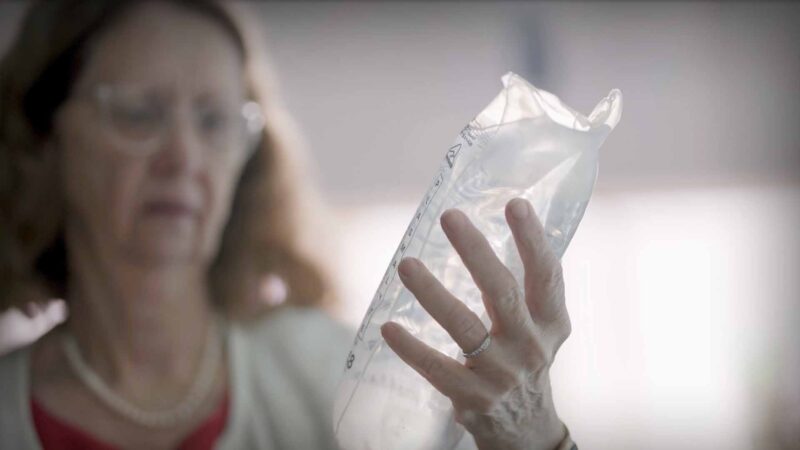
A world-first clinical trial conducted at the Royal Adelaide Hospital (RAH) and at hospitals across Australia and New Zealand has identified the best fluid treatment to reduce the risk of patients requiring dialysis after a kidney transplant.
Around one in three people who receive a kidney transplant suffer delayed graft function, which means the transplant doesn’t work immediately and they require dialysis.
The lead-author of the study, was Royal Adelaide Hospital Nephrologist and University of Adelaide researcher, Dr Michael Collins.
-
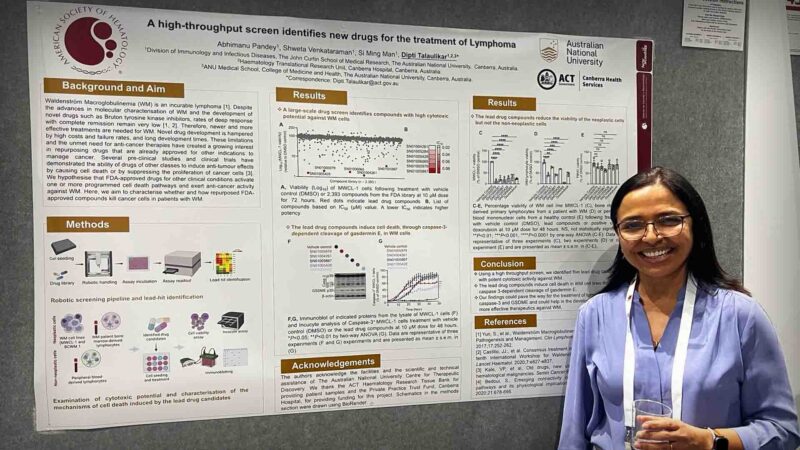
Lymphoma, Myeloma and Genomics
Professor Dipti Talaulikar is a clinical and laboratory haematologist with expertise in genomics, working at Canberra Health Services, and Professor at ANU. She has a clinical and research interest in lymphoma, myeloma and genomics, and has authored close to 100 peer reviewed papers, including several clinical guidelines that have had a significant impact on clinical practice.
Post Views: 575
Developing upper limb motor biomarkers of dementia

Recent Segments
- Drug delivery of targeted therapies for pancreatic cancer, motor neurone disease
- Physiotherapist-led care for musculoskeletal conditions in the emergency department
- RESEARCH IMPACT: 32 years of understanding, diagnosing, treating & preventing the onset of heart disease
- Research Australia Awards celebrate researchers in life-changing science and discovery
- Connecting Students with Careers in MedTech