
 https://orcid.org/0000-0002-6613-3661
-
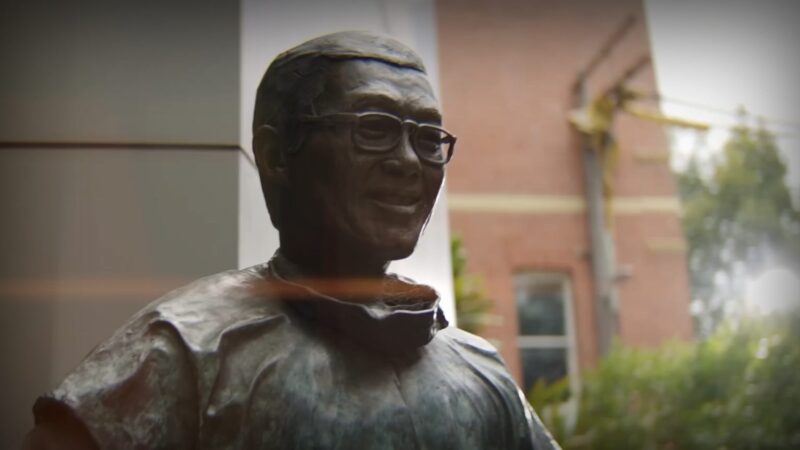
RESEARCH IMPACT: 32 years of understanding, diagnosing, treating & preventing the onset of heart disease
The Victor Chang Cardiac Research Institute is dedicated to finding cures for cardiovascular disease through world-class and cutting-edge medical research.
The Institute’s team seeks to discover better ways of understanding, diagnosing, treating, and preventing the onset of heart disease. It is committed to ensuring its research breakthroughs are rapidly translated into advances in clinical care.
-
Engineering bacteria to detect colorectal cancer cells
An international team of researchers from Adelaide and the United States has engineered bacteria capable of detecting mutated DNA released from colorectal cancer cells, opening the door to faster disease detection.
-
Nanoparticles & microparticles to combat antimicrobial resistance
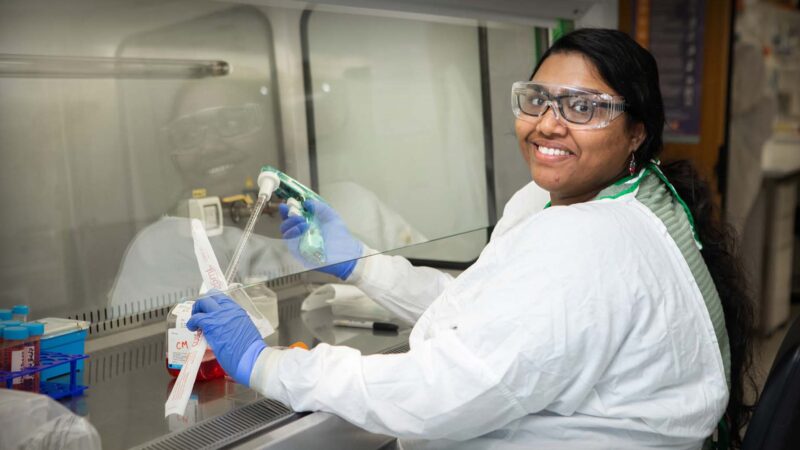
Dr Anjana Jayasree is an emerging research leader in biomaterials, tissue engineering and nanotechnology, recognised internationally for her innovative work on antimicrobial nanoparticles and regenerative therapies. A Postdoctoral Research Fellow at The University of Queensland, she operates at the intersection of materials science, drug delivery and cellular biology, developing advanced metallic-based nanotechnologies to improve both human and animal health outcomes. Her expertise spans nanoparticle synthesis, cell–material interactions, and the design of sophisticated in vitro models to investigate soft-tissue integration, osseointegration, angiogenesis and biofilm formation.
Post Views: 1,314
Supportive care for people living with or beyond cancer treatment

Recent Segments
- Drug delivery of targeted therapies for pancreatic cancer, motor neurone disease
- Physiotherapist-led care for musculoskeletal conditions in the emergency department
- RESEARCH IMPACT: 32 years of understanding, diagnosing, treating & preventing the onset of heart disease
- Research Australia Awards celebrate researchers in life-changing science and discovery
- Connecting Students with Careers in MedTech