
-
Closing the diagnostic gap in ovarian cancer detection
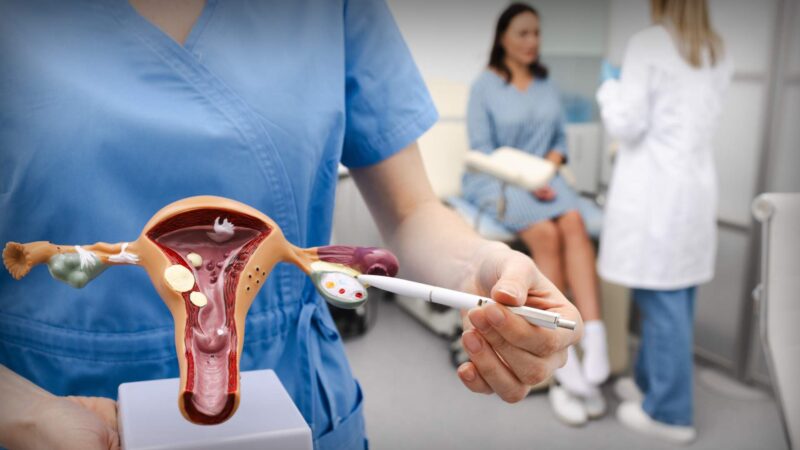
After 15 years in academia, Associate Professor Michelle Hill founded ProSeek bio to address one of the most urgent challenges in women’s health: closing the diagnostic gap in ovarian cancer.
For too long, women suspected of ovarian cancer have faced an impossible choice — undergo invasive surgery for diagnosis, only for up to 80% of those procedures to reveal no cancer, or delay intervention and risk diagnosis at a later stage when treatment options are fewer and survival outcomes are significantly worse.
-
Thyroid health into pregnancy
‘Without an adequate amount of thyroid hormone mothers can be exposed to hypertensive disorders of pregnancy, including gestational hypertension and preeclampsia or eclampsia, which affect around 10% of pregnant women and are the leading causes of maternal and neonatal mortality worldwide. Mothers who suffer from hypertensive disorders during pregnancy are at increased risk of long-term cardiovascular consequences and hypertensive disorders in subsequent pregnancies. Evidence also indicates a risk of reduced cognitive ability to their offspring.
‘Knowing if you are genetically predisposed to Hashimoto’s or Graves’ Diseases, which are both thyroid autoimmune disorders is important to be aware of, to ensure all appropriate tests are ordered. Autoimmune disorders may predispose mothers to a thyroid problem during pregnancy’, says Professor Creswell Eastman, who also serves as the ATF’s Principal Medical Advisor.
-
Understanding extracellular vesicles in cancer therapy research
Joy Wolfram is an Associate Professor at the Australian Institute for Bioengineering and Nanotechnology and the School of Chemical Engineering at the University of Queensland in Australia. Originally from Finland, she earned both her bachelor’s and master’s degrees in biology before transitioning to engineering with a PhD in nanotechnology completed in China. Wolfram has over a decade of experience working in hospitals in the United States before joining the University of Queensland.
Her research focuses on extracellular vesicles, which are crucial for cell communication both locally within tissues and over longer distances between organs. Her lab studies the roles of these vesicles in both health and disease, particularly in cancer. They investigate the harmful messages released by cancer cells that aid in tumour growth, specifically in breast cancer, while also exploring how to harness beneficial extracellular vesicles from healthy individuals as potential therapeutics.
Post Views: 412
Bringing the circular healthcare economy to life


Recent Segments
- Large-scale clinical and population-based research
- Avoiding lung complications after surgery by reversing muscle relaxant drugs more effectively
- Applications of long-read sequencing in clinical genomics
- Alarming move away from plants based foods and reduced variety in diets
- Identifying biomarkers for immunotherapy using spatial biology