
 https://orcid.org/0000-0002-0294-9768
-
Metabolic phenotyping, lipidomics & bioinformatics in dementia
Dr Luke Whiley is a dementia researcher whose work focuses on understanding how the body’s metabolism, particularly the biology of fats known as lipids, influences our health throughout ageing.
His research explores how the body responds to illness, lifestyle, and environmental stress at a chemical level, and how these responses shape longterm disease risk. Using advanced blood-based measurement technologies, Dr Whiley studies thousands of small molecules at once to build a snapshot of a person’s metabolic health. By combining these measurements with data science approaches, his work identifies biological pathways that become disrupted in disease, providing insight into why some people are more vulnerable to conditions such as dementia.
-
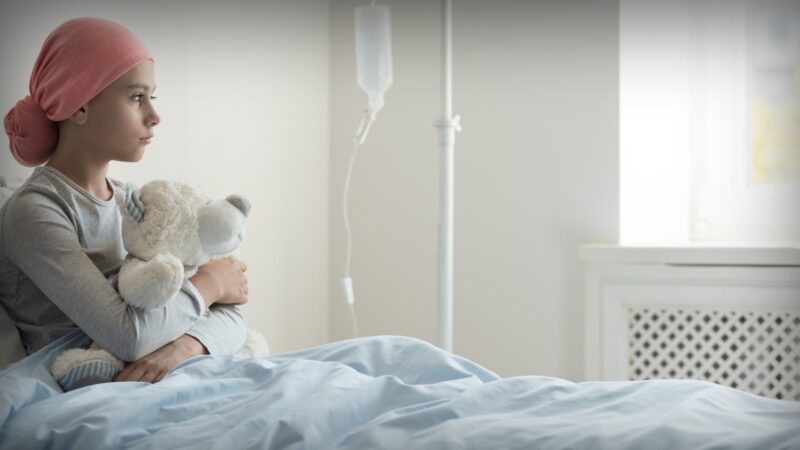
Leukaemia microenvironment & high risk childhood leukaemia
Associate Professor Laurence Cheung is now an Associate Professor at the Curtin Medical School as well as Curtin Medical Research Institute, and a Co-head of the Leukaemia Translational Research Laboratory at The Kids.
He has attracted over $8.7 million in research funding, including 16 awards as CIA (over $6.1 million). Assoc Prof Cheung was named the 2019 Cancer Council of WA Early Career Cancer Researcher of the Year and received the STEM Early Career Research Award at Curtin University in 2019.
-
Exercise therapy for metabolic dysfunction-associated steatotic liver disease
Dr Shelley Keating is a Senior Lecturer in Clinical Exercise Physiology and Accredited Exercise Physiologist from the School of Human Movement and Nutrition Sciences at the University of Queensland. With a strong grounding in exercise metabolism and body composition, Dr Keating’s research centres on the utility of exercise as a therapy for obesity and related cardiometabolic conditions, notably metabolic dysfunction-associated steatotic liver disease (MASLD).
Post Views: 391
Identifying and treating autoimmune neurological disorders


Recent Segments
- Applying artificial intelligence to medical imaging for cardiovascular disease detection
- From nurse, to roles in medtech marketing, championing women’s health
- Medication management and quality use of medicines
- Engineered proteins to repair or regrow damaged heart muscle cells and tissue
- From Canadian dental graduate to Australian orthodontic practice