
 https://orcid.org/0000-0001-7687-9654
-
Exercise therapy for metabolic dysfunction-associated steatotic liver disease
Dr Shelley Keating is a Senior Lecturer in Clinical Exercise Physiology and Accredited Exercise Physiologist from the School of Human Movement and Nutrition Sciences at the University of Queensland. With a strong grounding in exercise metabolism and body composition, Dr Keating’s research centres on the utility of exercise as a therapy for obesity and related cardiometabolic conditions, notably metabolic dysfunction-associated steatotic liver disease (MASLD).
-
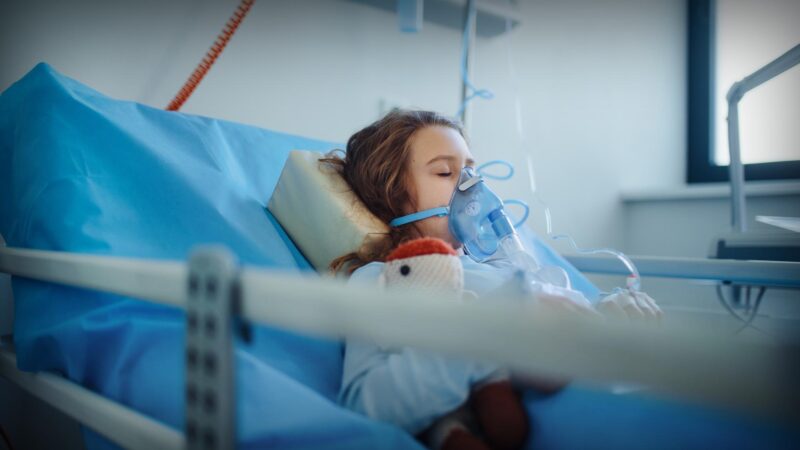
Paediatric haemorrhage and airway procedures
Dr Shane George is a paediatric critical care physician working in paediatric emergency medicine and paediatric intensive care at Gold Coast University Hospital. He is the clinical lead for children’s critical care research for Gold Coast Health, and is a Senior Lecturer at The University of Queensland and Griffith University.
Associate Professor George is also an active clinician researcher on topics that span both emergency medicine and PICU practice including safety in emergency intubation, sepsis, haemostatic resuscitation in children and respiratory support therapies.
-
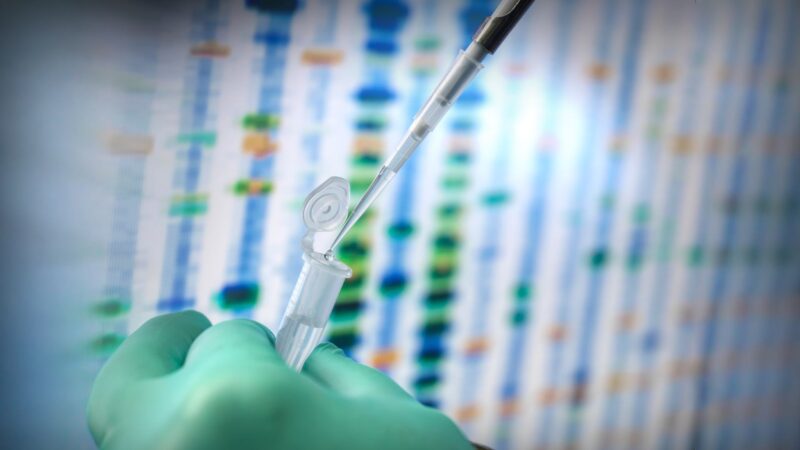
Identification & characterisation of molecular drivers of therapeutic resistance
Professor Pieter Eichhorn is an internationally experienced cancer biologist and research leader whose career has been defined by high-impact contributions at the interface of functional genomics, translational oncology, and research infrastructure strategy.
He completed his PhD at the University of Newcastle upon Tyne, contributing to the cloning of the gene associated with Cornelia de Lange Syndrome, before undertaking postdoctoral training at the Netherlands Cancer Institute in the laboratory of René Bernards. There, he performed pioneering functional genetic screens that identified key regulators of oncogenesis and therapy resistance, including critical roles for the PI3K signalling pathway in resistance to targeted breast cancer therapies.
Post Views: 6
Immune mechanisms of coeliac disease and gluten-related disorders

Recent Segments
- Immune mechanisms of coeliac disease and gluten-related disorders
- National incubator shifts into gear, announcing vaccine and infectious disease innovation cohort
- LIVED EXPERIENCE: severe aortic valve stenosis (aortic stenosis)
- MedTech Industry invited to NSW Parliament House
- Governance, safety and quality of digital health products