
-
Reducing patient accessibility barriers in the clinical setting
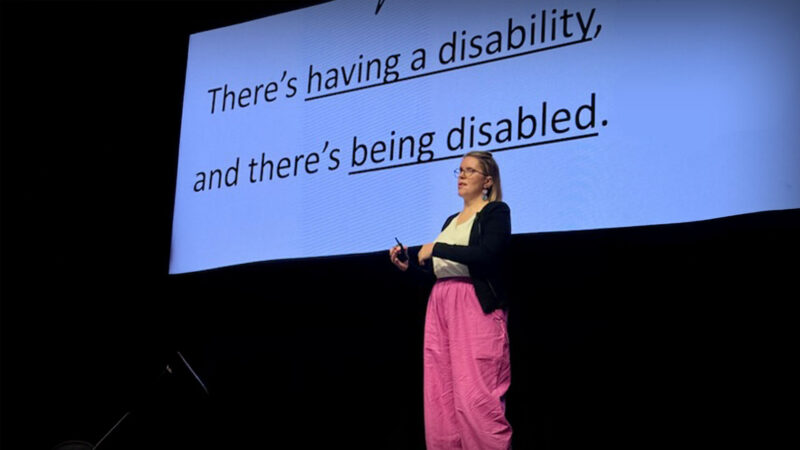
Hannah McPierzie is a globally respected presenter, disability advocate, and educator who offers a unique perspective on disability and communication. She lives with Neurofibromatosis Type 2, a rare degenerative condition, and has two auditory brainstem implants. After 15 years teaching in the disability sector, Hannah acquired disability herself in 2020, when life-saving surgery left her deafblind.
-
World first in rural and remote nursing
In March 2023, the Australian Government released the National Rural and Remote Nursing Generalist Framework 2023–2027. The Framework is a world first and describes the unique context of practice and core capabilities for rural and remote Registered Nurses in Australia.
The Framework was developed by the Office of the National Rural Health Commissioner and Australian Health Journal spoke with National Rural Health Commissioner, Adjunct Professor Ruth Stewart, and Deputy National Rural Health Commissioner – Nursing and Midwifery, Adjunct Professor Shelley Nowlan, on the importance of rural and remote nursing and of the Framework itself.
-
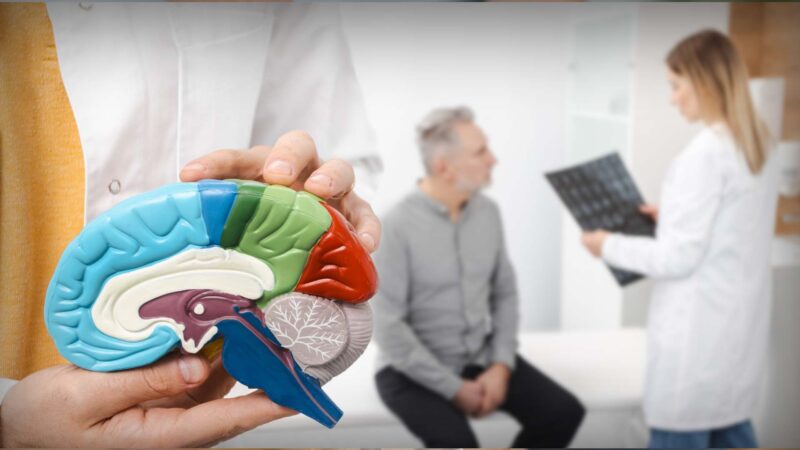
Clinical pain neuroscientist talks about how the brain processes pain information
Persistent pain affects one in five Australians and costs the nation an estimated $73 billion per year in health system costs, lost productivity and other financial costs.
Persistent pain also has debilitating personal costs – negatively impacting quality of life and the ability to engage in meaningful work and life activities.
Despite the enormity of this problem, very few effective treatments exist with most showing only small to moderate improvements. New treatments are desperately needed. The group believes the best way to create impactful change is to work with people with lived experience of persistent pain to devise solutions with them, not for them.
Post Views: 139
Physiotherapist-led care for musculoskeletal conditions in the emergency department

Recent Segments
- Physiotherapist-led care for musculoskeletal conditions in the emergency department
- Reaching new immune health frontiers through collaborations & industry engagement
- 3D printing, bioprinting & stem cell tech in articular cartilage regeneration and treating osteosarcoma
- Drug delivery of targeted therapies for pancreatic cancer, motor neurone disease
- Physiotherapist-led care for musculoskeletal conditions in the emergency department