
-
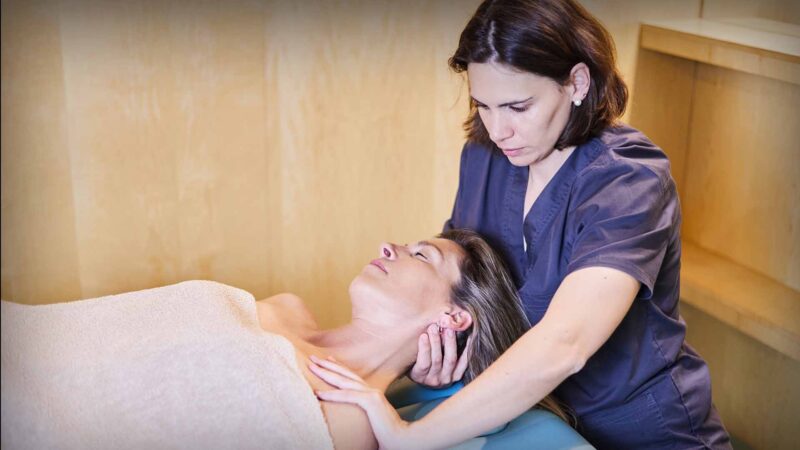
Improving access to osteopathic services and integrated care models
The Chief Executive Officer of Osteopathy Australia, Antony Nicholas spoke with Australian Health Journal about:
– Involvement in the Strengthening Medicare Task Force
– The unique skills osteopaths have that can address the chronic disease burden
– Current workforce issues around osteopaths and if enough are coming through via student placements
– How uploading data to My Health Record by osteopaths could assist team-based care of patients
– How the value of osteopaths in Residential Aged Care Facilities (RACFs) could be better understood and better access for residents
– The recommendations around aged care access to allied health services, including osteopathy
– The recommendations around consumer access to osteopaths and GP referrals
– Other osteopathy recommendations in the upcoming Federal BudgetIn the lead up to the Australian Federal Budget in May 2023, Australian Health Journal reached out to peak health industry bodies to hear about their priorities, either noted in pre-budget submissions lodged with Federal Government in January 2023 or in recent forums such as the Strengthening Medicare Taskforce.
-
New option for management of high-risk soft tissue sarcoma of the limb
SARC032 is the first completed randomised clinical trial of its kind and has demonstrated compelling evidence to integrate immunotherapy, with the standard treatment regimen of radiotherapy and surgery for patients with grade 2 or 3, stage III soft tissue sarcoma of the limb.
-
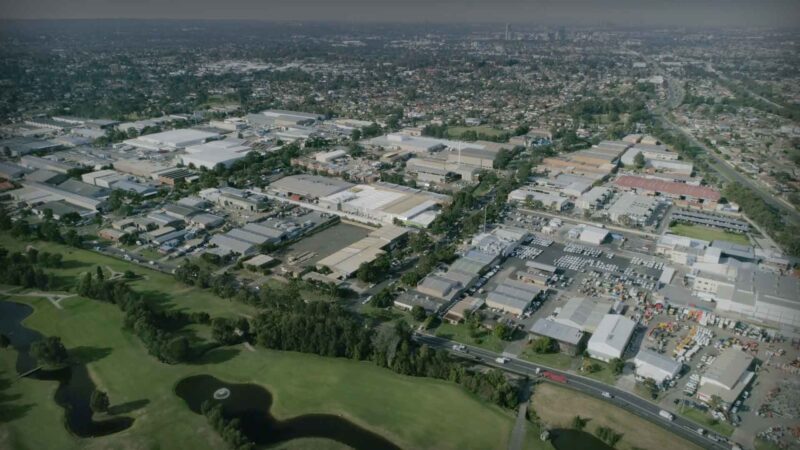
Access and productivity outcomes with radiology technology in Western Sydney
In Western Sydney, there is currently significant growth accompanied by a notable need for cardiovascular support due to the prevalence of related diseases. It is estimated that the population in this area will reach 6 million by 2041.
With this population growth, there is also a pressing shortage of healthcare professionals in Australia, particularly in the field of radiology, where there are not enough radiographers, sonographers, MRI technicians, and nuclear medicine technicians.
Post Views: 546
Sydney North Neighbourhood Health Hubs to approach health and welfare in holistic way

Recent Segments
- Physiotherapist-led care for musculoskeletal conditions in the emergency department
- RESEARCH IMPACT: 32 years of understanding, diagnosing, treating & preventing the onset of heart disease
- Research Australia Awards celebrate researchers in life-changing science and discovery
- Connecting Students with Careers in MedTech
- HEALTH CARE BRIEF: Shingles (Herpes Zoster)