Monash University researchers have developed a world-first personalised app to improve the sleep and mood of vital shift workers.
During the pandemic shift workers kept the nation functioning. Our healthcare shift workers helped many of us survive its deadly effects. We know from research and our own experience the critical role sleep plays in maintaining good mental and physical health.
Earlier this year, Turner Institute for Brain and Mental Health researchers developed SleepSync, the world’s first app that personalises sleep-wake cycles for shift workers to improve their sleep and overall mood.
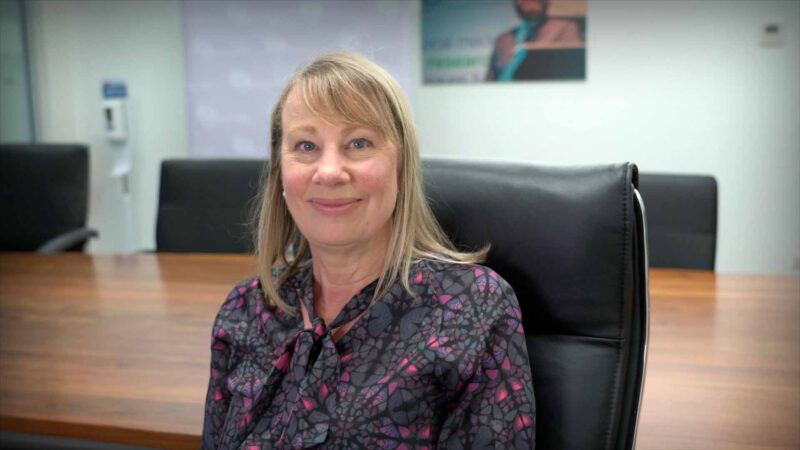
The research, led by Dr Jade Murray, was published in the journal, Digital Health. Australian Health Journal met with Dr Murray to hear how the application has evolved and been used in personalisation of sleep habits for health care shift workforce.
It saw 27 shift workers trial the app over a two-week period; mainly intensive care and emergency department nurses at high risk of shift work disorder, commonly experienced as insomnia and excessive sleepiness.
SleepSync improved total sleep time, ability to fall asleep, sleep quality and perception of recovery on days off. With the app considering each individual’s daily routine, 70 percent reported it was easier to fall asleep, and more than 80 per cent reported better quality sleep. Participants slept an average 29 minutes longer each night.
“SleepSync aims to aid behavioural change and provide practical advice to shift workers by providing personalised sleep scheduling recommendations and education,” Dr Murray said.
“This has the potential to improve shift workers’ health and wellbeing and how they function day to day. It also has the potential for development and integration with wearable devices, such as smartwatches, and further help minimise the health costs associated with shift work to society.”
SleepSync, a mobile phone app, is unique because it is entirely tailored to the individual user by:
► incorporating a calendar for work and personal commitments
► providing biologically viable recommendations for sleep timing that account for work and social obligations based on the information users enter into the calendar, such as work shifts and important personal activities
► daily logging of actual sleep/wake times and mood
Users receive a ‘recovery score’ based on their level of adherence with the recommended sleep times.
Dr Murray said work hours outside the 9 to 5 regime play havoc with the body’s circadian clock. “Shift workers report an increased functional impact of sleep disturbance and misalignment, including impaired alertness and increased sleepiness during wakefulness compared to the general population,” she said.
“Shift workers are also at greater risk of a range of long-term adverse health consequences such as gastrointestinal problems, cardiovascular disease, mood disorders and cancer, as well as the short term increase in the risk of errors, accidents and injuries.”
To date, helping a shift worker to sleep well has largely relied on workplace interventions such as adjusting workplace lighting, scheduled workplace napping, sleep hygiene programs, wellness programs and workplace fatigue management programs.
Co-author Dr Tracey Sletten, of the Turner Institute, said individual workers needed evidence-backed ways to optimise their sleep around their work schedule. “Each person has different underlying biology and specific work patterns, which need to be accommodated in a personalised schedule to help them sleep better,” Dr Sletten said.
Dr Sletten said 67 percent of participants reported how influential SleepSync was for modifying their behaviour and habits, while 82 per cent found the app easy to incorporate into their daily lives. “They also reported improvements in mood (depression, anxiety and stress), insomnia symptom severity, sleep hygiene and sleep-related daytime impairments,” she said.
You Might also like
-
FULL FEATURE Consumers and communities as agents of health care change and improvement
Policymakers, health administrators and clinicians must learn and embrace new ways to harness the transformative role consumers, community members and carers can play. Conversely, consumers and communities need support, capability and capacity to engage as equals in policy, research, program and service design. This is necessary if are to be less technocratic and realise the vision where all members of society can live the best life possible.
-
Success in WA pilot to observe babies showing delays in social interaction & communication development
Inklings – led by The Kids Research Institute Australia – is a program for babies aged 6-18 months whose communications skills are developing differently to expected milestones. In early 2025 it has completed the first year of a pilot program.
At the time of filming (Nov 2024), Inklings has received more then 300 enquiries across WA and started to deliver services to 160 children, with almost 60 who have completed the program.
-
The role of genomic screening in transforming public health
Dr Jane Tiller is a lawyer, genetic counsellor and public health researcher. She is Ethical, Legal & Social Adviser in Public Health Genomics at Monash University, and a National Health and Medical Research Council Investigator Grant holder. Jane is passionate about the use of genomics to prevent disease, and in delivering equitable access to preventive genetic information at the population level. She is co-lead of DNA Screen, a world-first study piloting the offer of preventive DNA screening to the Australian adult population. DNA Screen has tested over 10,000 young people for genetic high risk of medically actionable conditions such as cancer and heart disease, finding about 2% of participants had genetic high risk. Jane is leading efforts to secure Commonwealth Government funding to expand the DNA Screen program, with the eventual goal of the development of a public health population screening program for disease prevention based on high genetic risk.