
-
Access and productivity outcomes with radiology technology in Western Sydney
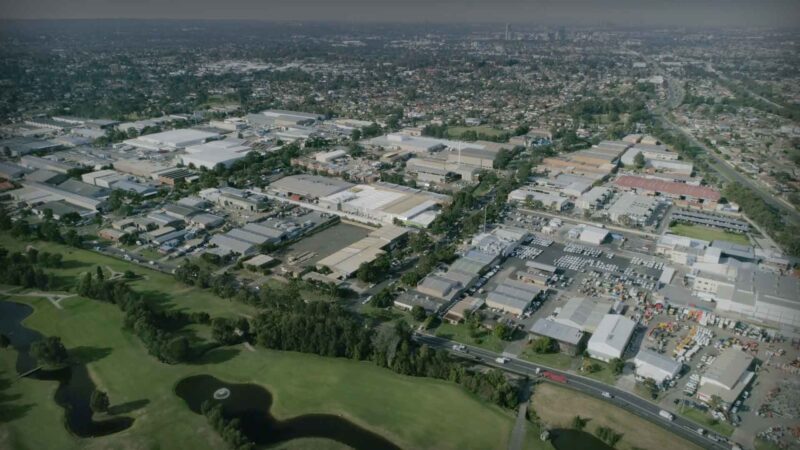
In Western Sydney, there is currently significant growth accompanied by a notable need for cardiovascular support due to the prevalence of related diseases. It is estimated that the population in this area will reach 6 million by 2041.
With this population growth, there is also a pressing shortage of healthcare professionals in Australia, particularly in the field of radiology, where there are not enough radiographers, sonographers, MRI technicians, and nuclear medicine technicians.
-
Integrating oral health care across non-dental professionals
Poor oral health can contribute to or exacerbate several systemic health conditions due to the close connection between oral bacteria, inflammation, and systemic processes. These conditions include cardiovascular health, diabetes, respiratory health, cognitive health, pregnancy and birth outcomes.
-
HIGHLIGHTS The power of social determinants of health, panel discussion
Clinicians and consumers know only too well that life circumstances such as poor housing, income and food insecurity can have a negative impact on health outcomes. Conversely, participation in community activities, social connection and access to nature parks and leisure facilities can help maintain health and wellbeing.
More recent phenomena in public health have also focused us on the health and social care connection. Stress factors such as the sudden loss of employment and social interaction, moving to remote work or schooling, and the impacts of sudden, localised COVID-19 ‘lockdowns’ to prevent further outbreaks were triggers of increased psychological distress.
And loneliness is being described as our latest epidemic with chronic loneliness inked to a myriad of health problems and earlier death. A recent report found one in four Australians say they feel persistently lonely, and that loneliness costs $2.7 bn a year in health costs alone.
Post Views: 2,320
Brain cancer Professor mentors Tasmanian researchers


Recent Segments
- Research, Mentorship and the PhD Experience
- Immune mechanisms of coeliac disease and gluten-related disorders
- National incubator shifts into gear, announcing vaccine and infectious disease innovation cohort
- LIVED EXPERIENCE: severe aortic valve stenosis (aortic stenosis)
- MedTech Industry invited to NSW Parliament House