
-
Addressing the perinatal mental health clinician shortage
Perinatal depression and anxiety (PNDA) impacts 100,000 Australians each year, equating to one in five mums and one in ten dads, with PNDA costing Australia $877 million annually. To address the nationwide shortage of specialist perinatal mental health clinicians, Gidget Foundation Australia has partnered with Federation University to launch the Graduate Diploma in Perinatal Mental Health.
-
Recognising clinical trials and the people behind the research
Australia’s clinical trials community came together to celebrate outstanding research and recognise the people and teams making a meaningful difference to healthcare at the 2026 ACTA Trial of the Year Awards.
Now in its 10th year, the awards continue to shine a light on investigator-led clinical trials and initiatives that are improving clinical practice, influencing healthcare policy and delivering better outcomes for patients across Australia and beyond.
-
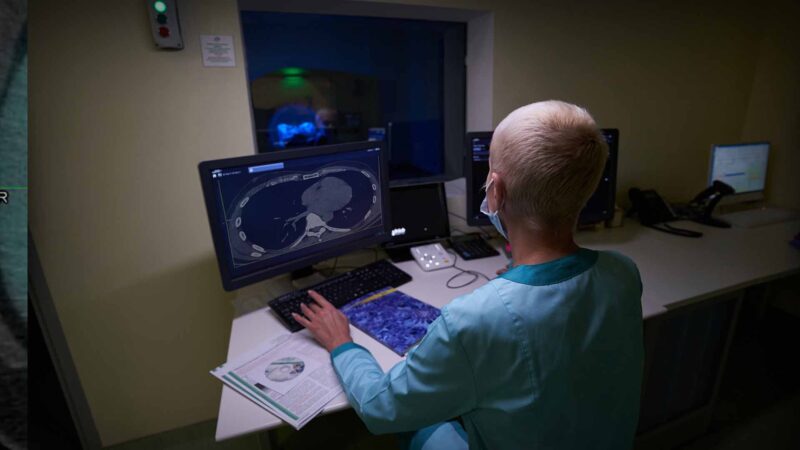
25 years of non-indexation of nuclear medicine impeding access & affordability
The President of the Australasian Association of Nuclear Medicine Specialists (AANMS), Associate Professor Sze Ting Lee spoke with Australian Health Journal about the following:
Usual levels of nuclear medicine services in Australia each year
Current levels of nuclear medicine services in Australia
How changing demographics in people moving to regional areas has impacted access to nuclear medicine services
The nuclear medicine workforce including trainees
The key recommendations from the pre-budget submissionIn the lead up to the Australian Federal Budget in May 2023, Australian Health Journal reached out to peak health industry bodies to hear about their priorities, either noted in pre-budget submissions lodged with Federal Government in January 2023 or in recent forums such as the Strengthening Medicare Taskforce.
Post Views: 768
Exercise Physiologists flex and grow at national conference in Adelaide


Recent Segments
- Avoiding lung complications after surgery by reversing muscle relaxant drugs more effectively
- Applications of long-read sequencing in clinical genomics
- Alarming move away from plants based foods and reduced variety in diets
- Identifying biomarkers for immunotherapy using spatial biology
- Vascular cognitive impairment and dementia