
 https://orcid.org/0009-0005-8918-8939
-
Journey of an ICU Nurse on International Nurses Day 2025
Kate Leigh is a clinical nurse at the Sir Charles Gairdner Hospital Intensive Care Unit in Perth, Western Australia, with seven and a half years of experience in intensive care, having started her career in London as a new graduate nurse. Initially focused on haematology, she found herself drawn to ICU after meeting a confident and knowledgeable nurse during a discharge. Inspired by his expertise and assuredness, Kate decided to pursue a transfer to Critical Care after seeing an internal advertisement that highlighted educational opportunities and professional development programs.
-
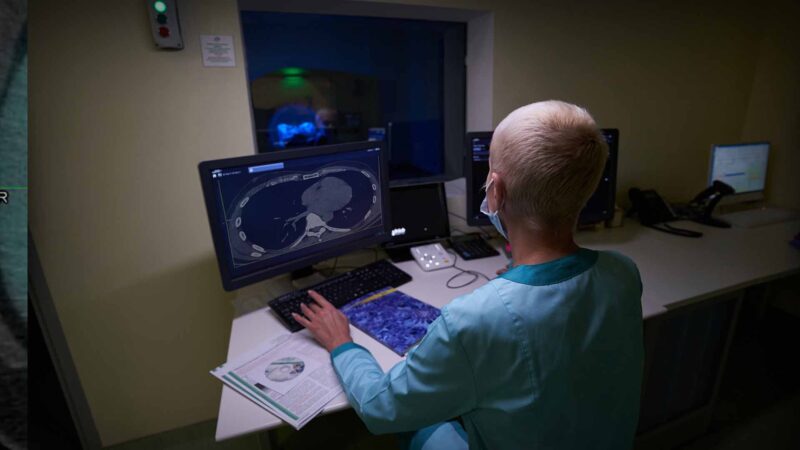
25 years of non-indexation of nuclear medicine impeding access & affordability
The President of the Australasian Association of Nuclear Medicine Specialists (AANMS), Associate Professor Sze Ting Lee spoke with Australian Health Journal about the following:
Usual levels of nuclear medicine services in Australia each year
Current levels of nuclear medicine services in Australia
How changing demographics in people moving to regional areas has impacted access to nuclear medicine services
The nuclear medicine workforce including trainees
The key recommendations from the pre-budget submissionIn the lead up to the Australian Federal Budget in May 2023, Australian Health Journal reached out to peak health industry bodies to hear about their priorities, either noted in pre-budget submissions lodged with Federal Government in January 2023 or in recent forums such as the Strengthening Medicare Taskforce.
-
HEALTH CARE BRIEF: Pelvic Floor Dysfunction
Pelvic Floor Dysfunction – Lived experience, symptoms, diagnosis and treatment options
Post Views: 363
Space Health & Medicine on Australia’s Clinical Launchpad


Recent Segments
- Research, Mentorship and the PhD Experience
- Immune mechanisms of coeliac disease and gluten-related disorders
- National incubator shifts into gear, announcing vaccine and infectious disease innovation cohort
- LIVED EXPERIENCE: severe aortic valve stenosis (aortic stenosis)
- MedTech Industry invited to NSW Parliament House