
 https://orcid.org/0000-0002-0294-9768
-
Cancer survivorship and exercise oncology
Professor Sandra Hayes is the Director of Research at Cancer Council Queensland (CCQ), where she leads a comprehensive cancer research program encompassing cancer epidemiology, prevention, detection, treatment, and survivorship.
With a BAppSci (Hons) and a PhD in exercise oncology, Professor Hayes’s expertise lies in quantifying the impact of cancer diagnosis and treatment on physical and psychosocial wellbeing, quality of life, and survival. She also evaluates innovative supportive care strategies, particularly exercise, to improve post-cancer lives.
-
Investigating the benefits of donor human milk for preterm infants
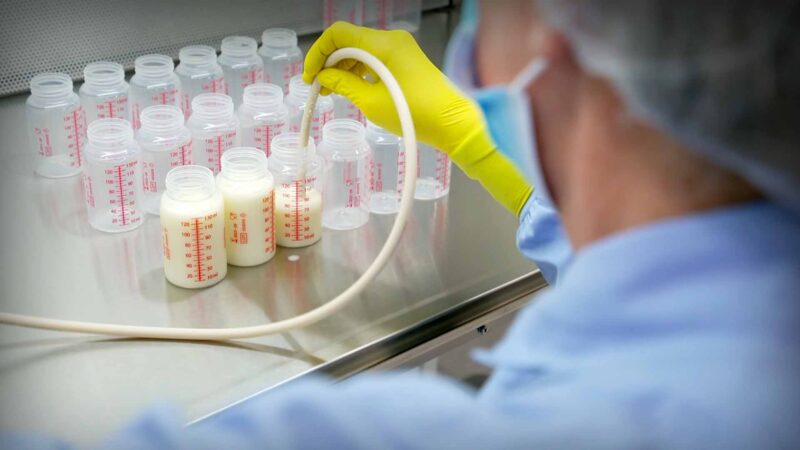
Together, SAHMRI and Lifeblood are leading a consortium to revolutionise the way human milk, and novel products made from human milk, are used as nutritional and medical interventions to improve health outcomes in vulnerable infants, but with potential application for a diverse range of medical indications.
Currently, babies who are born early preterm – before 32 weeks – are given donor milk when their own mother’s milk is not available or in short supply. Whether donor milk is beneficial for babies born just a few weeks early is unclear, as very little research has been undertaken with these babies.
The GIFT Trial will soon commence as an investigation between SAHMRI, the University of Adelaide, the Red Cross Lifeblood Milk Bank conducted at five sites across three states in Australia.
-
Vaccine effectiveness against infections triggering autoimmune disease
Dr Deborah Burnett is a Scientia Senior Lecturer and Laboratory Head at UNSW, where she leads a multidisciplinary research program spanning mechanistic immunology and translational vaccinology. Her work focuses on understanding how immune responses can protect against challenging infectious threats, including bacterial infections and infections associated with autoimmune disease.
Post Views: 392
Identifying and treating autoimmune neurological disorders

Recent Segments
- Applying artificial intelligence to medical imaging for cardiovascular disease detection
- From nurse, to roles in medtech marketing, championing women’s health
- Medication management and quality use of medicines
- Engineered proteins to repair or regrow damaged heart muscle cells and tissue
- From Canadian dental graduate to Australian orthodontic practice