-
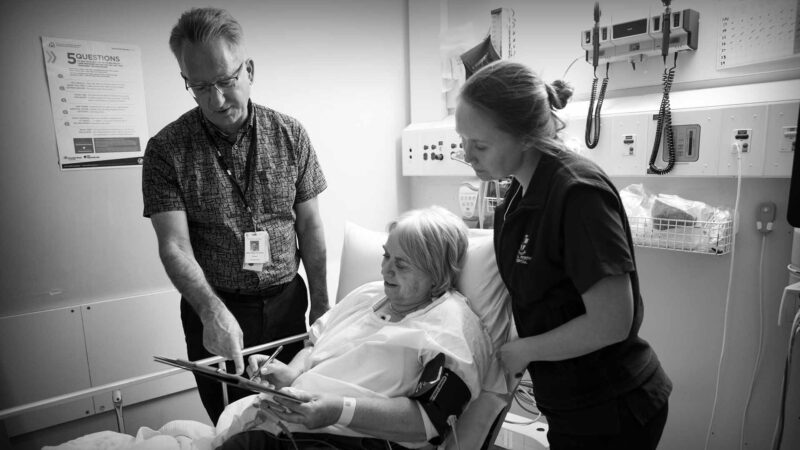
Clinical Research in Emergency Medicine
Professor Daniel Fatovich is a senior emergency physician and clinical researcher at Royal Perth Hospital Emergency Department (ED), with over 30 years’ experience in the design and conduct of clinical research in Emergency Medicine. He is also Head of the Centre for Clinical Research in Emergency Medicine (CCREM) within the Harry Perkins Institute of Medical Research.
-
ROCK-induced early-onset bowel cancer progression
Professor Michael Samuel is a cell biologist whose research interest is in understanding how cancer mechanobiology influences the tumour microenvironment, thereby promoting tumour progression. He is Professor of Matrix Biology at the University of South Australia, Adelaide and heads the Tumour Microenvironment Laboratory at the Centre for Cancer Biology and the Cancer Mechanotherapies Laboratory at the Basil Hetzel Institute for Translational Health Research.
-
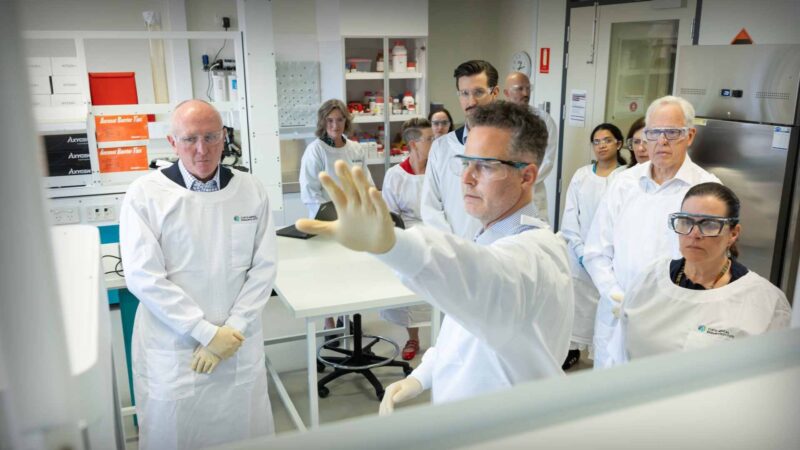
Liver cancer & patient-derived tumour organoids
Dr Benjamin Dwyer is a translational cancer researcher driven by a clear purpose: to ensure discoveries made in the laboratory genuinely improve outcomes for patients.
Based at Curtin University, he established and now leads the organoid platform within the Liver Cancer Collaborative and directs the WA Organoid Innovation Hub, working at the intersection of biology, medicine and biotechnology to accelerate new treatments for liver cancer.