
-
Physiotherapist, exercise physiologist support for management of osteoporosis
Osteoporosis is commonly managed medically and typically with treatment. Exercise is also essential in the management of osteoporosis but tends to be under-utilised due to lack of knowledge and unfounded concerns about the risk of injury. In fact, optimal care of people with low bone mass, osteoporosis and/or increased risk of falling can and should include targeted exercise to help prevent osteoporotic fracture.
In early 2024, Healthy Bones Australia released a summary of the principles of osteogenic loading and fall prevention, the translation of those principles into clinical practice, evidence-based recommendations for exercise prescription, and special considerations, along with links to several relevant resources for people with or at risk of osteoporosis, falls and fractures.
-
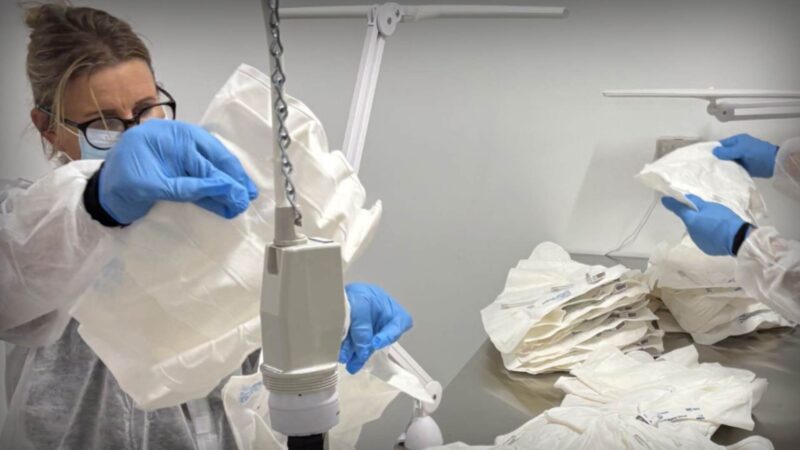
Bringing the circular healthcare economy to life
Professor Dr.Geoff Sussman holds a position in the Faculty of Medicine, Nursing and Health Sciences Monash University, and is the Adjunct Professor of Wound Care He is a wound consultant at the Wound Clinic Austin Hospital.
-
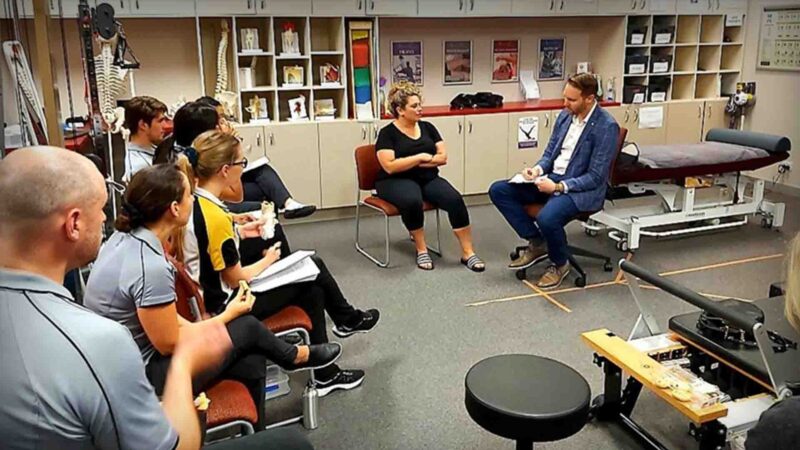
Specialist physiotherapist successfully mixes online & in-person
Dr. Kieran Richardson (FACP) is a Specialist Physiotherapist, conferred by the Australian College of Physiotherapists (Australian Physiotherapy Association) in 2016. Dr Richardson is the Director of Global Specialist Physiotherapy, a consultancy company providing online Formal Mentoring and Professional Development individual clinicians, clinics, and groups, as well as Second Opinions to clinicians and directly to patients all around the world.
Post Views: 568
Course developed for people with intellectual disability to learn about research

Recent Segments
- Research Australia Awards celebrate researchers in life-changing science and discovery
- Connecting Students with Careers in MedTech
- HEALTH CARE BRIEF: Shingles (Herpes Zoster)
- Large-scale clinical and population-based research
- Avoiding lung complications after surgery by reversing muscle relaxant drugs more effectively