
 https://orcid.org/0000-0002-3720-7588
-
Next generation nanomedicine and radiopharmaceuticals to treat cancer
Finding better ways of treating cancer, aside from finding a cure, aim to provide a better quality of life for those who suffer from it.
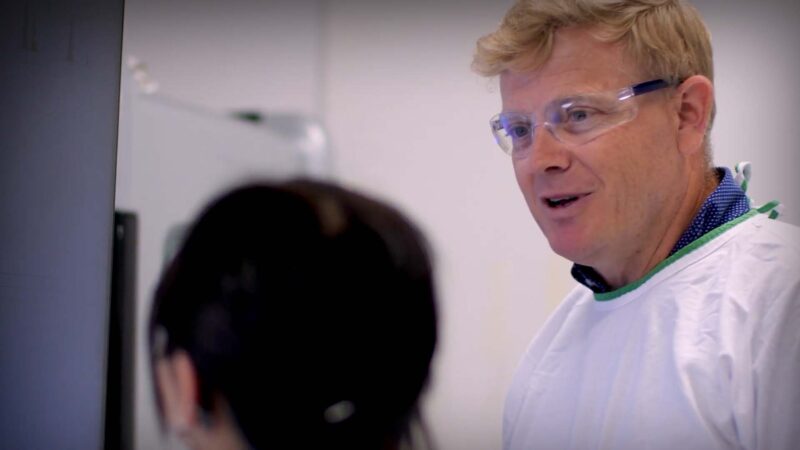
Professor Thurecht’s work focuses on nanomedicine and spans across the Australian Institute for Bioengineering and Nanotechnology and the Centre for Advanced Imaging, at the University of Queensland in Australia.
-
Risk factors and prevention of respiratory infections and infectious diseases in children
A/Prof Hannah Moore OAM is an infectious disease epidemiologist; Co-Head of the Infectious Disease Epidemiology team within the Wesfarmers Centre of Vaccines and Infectious Diseases at The Kids Research Institute Australia and Associate Professor at the School of Population Health, Curtin University in Western Australia.
A/Prof Moore has been awarded more than $19M in competitive research grants, co-authored more than 140 papers, was TEDxPerth 2018 speaker, recipient of a WA Young Tall Poppy Award (2013) and the WA Premiers Science Early Career Scientist Award (2015). In 2024, she was honoured with a Medal of the Order of Australia for her service to epidemiology as a researcher.
-
Paediatric obesity prevention, nutrition and dietetics
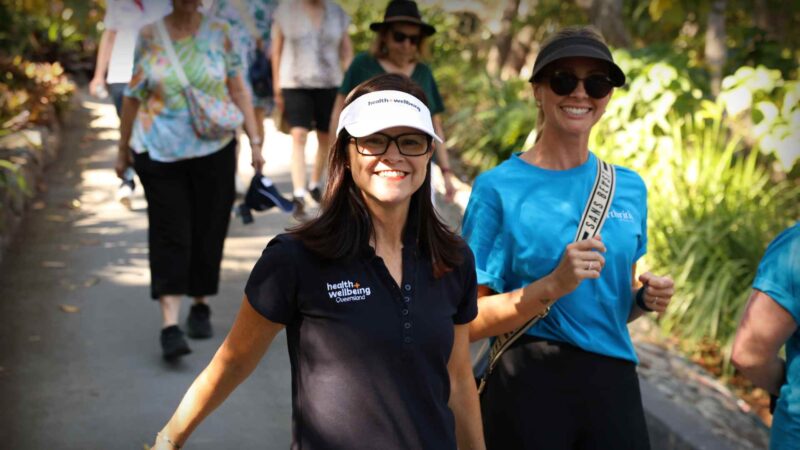
Leveraging a systems-based and collaborative approach, Dr Littlewood over the past 25 years has driven research and data outcomes in the area of health and wellbeing. Dr Littlewood leads a dedicated team focused on making healthy happen for all Queenslanders, with a particular focus on improving health outcomes for the next generation.
Post Views: 376
Post stroke brain recovery targeting blood flow and vessel health

Recent Segments
- Large-scale clinical and population-based research
- Avoiding lung complications after surgery by reversing muscle relaxant drugs more effectively
- Applications of long-read sequencing in clinical genomics
- Alarming move away from plants based foods and reduced variety in diets
- Identifying biomarkers for immunotherapy using spatial biology