
 https://orcid.org/0000-0001-7914-4709
-
Identification & characterisation of molecular drivers of therapeutic resistance
Professor Pieter Eichhorn is an internationally experienced cancer biologist and research leader whose career has been defined by high-impact contributions at the interface of functional genomics, translational oncology, and research infrastructure strategy.
He completed his PhD at the University of Newcastle upon Tyne, contributing to the cloning of the gene associated with Cornelia de Lange Syndrome, before undertaking postdoctoral training at the Netherlands Cancer Institute in the laboratory of René Bernards. There, he performed pioneering functional genetic screens that identified key regulators of oncogenesis and therapy resistance, including critical roles for the PI3K signalling pathway in resistance to targeted breast cancer therapies.
-
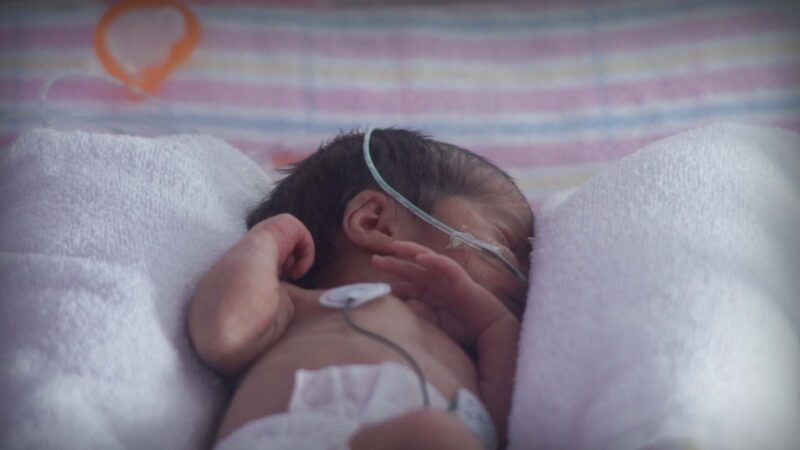
Health impacts of donor milk for pre-term babies
Professor Alice Rumbold is Theme Leader of SAHMRI Women and Kids, managing a multidisciplinary research team focussed on improving health outcomes for women, babies and families. She also holds an affiliate position as a Research Leader within the Robinson Research Institute at the University of Adelaide.
An epidemiologist and health services researcher, she is internationally renowned for her leadership of large-scale clinical trials, epidemiological studies and systematic review activities to improve perinatal and reproductive health care. She is passionate about improving health outcomes for women and babies, particularly those experiencing vulnerability. Her current research interests include preterm birth, breastfeeding, human milk banking and infertility
-
CASE STUDY Large scale genetic study finds link between Irritable Bowel Syndrome & cardiovascular system
Research published April 2024 in the journal Cellular and Molecular Gastroenterology and Hepatology sheds light on disease mechanisms common to irritable bowel syndrome (IBS) and cardiovascular diseases (CVD).
Post Views: 596
Genetics and Environmental Factors of Glaucoma & Myopia


Recent Segments
- Drug delivery of targeted therapies for pancreatic cancer, motor neurone disease
- Physiotherapist-led care for musculoskeletal conditions in the emergency department
- RESEARCH IMPACT: 32 years of understanding, diagnosing, treating & preventing the onset of heart disease
- Research Australia Awards celebrate researchers in life-changing science and discovery
- Connecting Students with Careers in MedTech