
-
Next generation nanomedicine and radiopharmaceuticals to treat cancer
Finding better ways of treating cancer, aside from finding a cure, aim to provide a better quality of life for those who suffer from it.
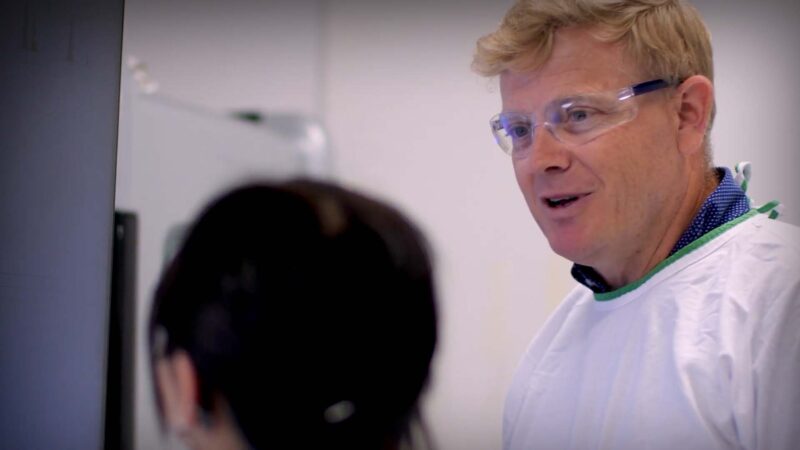
Professor Thurecht’s work focuses on nanomedicine and spans across the Australian Institute for Bioengineering and Nanotechnology and the Centre for Advanced Imaging, at the University of Queensland in Australia.
-
Identification & characterisation of molecular drivers of therapeutic resistance
Professor Pieter Eichhorn is an internationally experienced cancer biologist and research leader whose career has been defined by high-impact contributions at the interface of functional genomics, translational oncology, and research infrastructure strategy.
He completed his PhD at the University of Newcastle upon Tyne, contributing to the cloning of the gene associated with Cornelia de Lange Syndrome, before undertaking postdoctoral training at the Netherlands Cancer Institute in the laboratory of René Bernards. There, he performed pioneering functional genetic screens that identified key regulators of oncogenesis and therapy resistance, including critical roles for the PI3K signalling pathway in resistance to targeted breast cancer therapies.
-
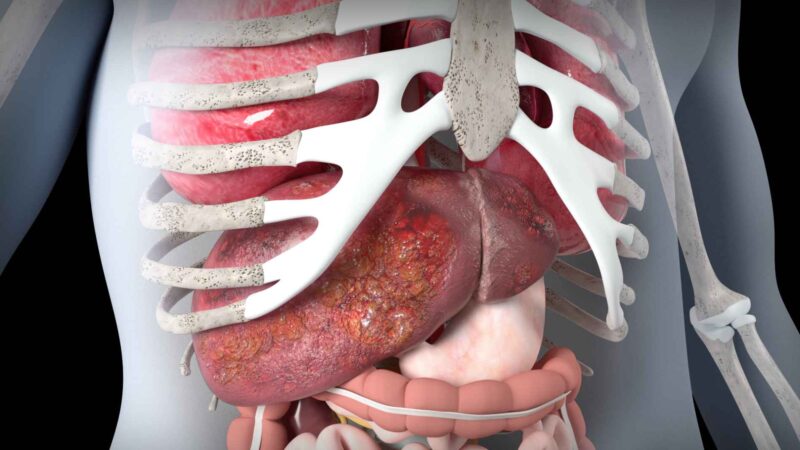
Therapy to prevent hepatocellular carcinoma in people with liver cirrhosis
Professor John Olynyk is a Gastroenterologist & Hepatologist with over 30 years’ experience, primarily at The Fiona Stanley & Fremantle Hospital Group. He planned the Gastroenterology and Hepatology Service for the Fiona Stanley Hospital and was Head Department from 2010 until 2020.
Professor John Olynyk was appointed as Associate Dean and Head of the Medical Discipline at Curtin University in 2023 until 2025 and is now Associate Director, Clinical Engagement, Curtin Medical Research Institute, Curtin University.
Post Views: 1,873
Junior Fellowship to develop vaccine for bacteria that cause ear infections
Recent Segments
- Drug delivery of targeted therapies for pancreatic cancer, motor neurone disease
- Physiotherapist-led care for musculoskeletal conditions in the emergency department
- RESEARCH IMPACT: 32 years of understanding, diagnosing, treating & preventing the onset of heart disease
- Research Australia Awards celebrate researchers in life-changing science and discovery
- Connecting Students with Careers in MedTech