
 https://orcid.org/0000-0001-7874-2766
-
Treatment pathways for chronic plantar heel pain
Jason Rogers is a Tasmanian physiotherapist clinician-researcher with a longstanding interest in improving musculoskeletal foot and ankle conditions. He completed his PhD at the Menzies Institute for Medical Research at the University of Tasmania in 2022 investigating the clinical and imaging factors associated with a common foot complaint known as chronic plantar heel pain.
-
Lía Aguilar Madariaga
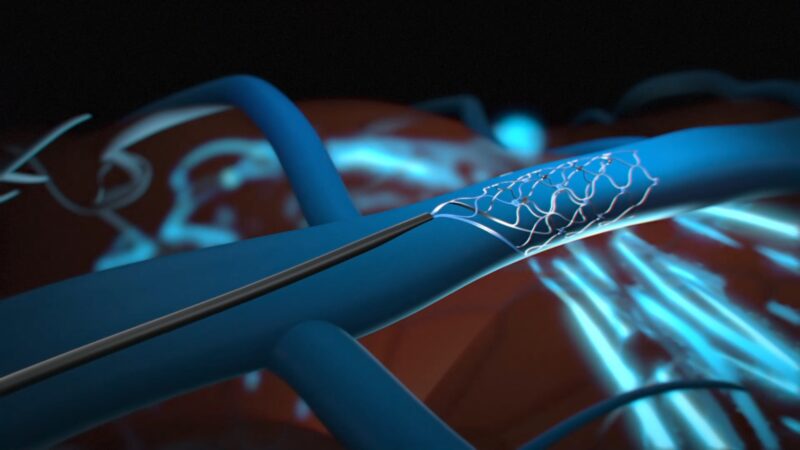
RESEARCH IN BRAIN COMPUTER INTERFACE
@ SYNCHRON
MELBOURNE, VICTORIA, AUSTRALIA -
Funding the best brains to beat brain cancer
The Charlie Teo Foundation is dedicated to funding and advancing research into brain cancer, with a particular focus on developing more effective treatments and finding a cure for this devastating disease.
Since its inception, the foundation has committed nearly $15 million to brain cancer research, funding notable projects in Australia and the United States. These projects explore innovative approaches to understand and treat brain cancer more effectively, with a focus on translating findings from animal studies to human applications. Charlie’s dedication to finding solutions for this devastating disease remains unwavering as he travels frequently to collaborate with global researchers.
Post Views: 801
Non-invasive tools for CVD screening and monitoring


Recent Segments
- Drug delivery of targeted therapies for pancreatic cancer, motor neurone disease
- Physiotherapist-led care for musculoskeletal conditions in the emergency department
- RESEARCH IMPACT: 32 years of understanding, diagnosing, treating & preventing the onset of heart disease
- Research Australia Awards celebrate researchers in life-changing science and discovery
- Connecting Students with Careers in MedTech