
 https://orcid.org/0000-0002-0209-0586
-
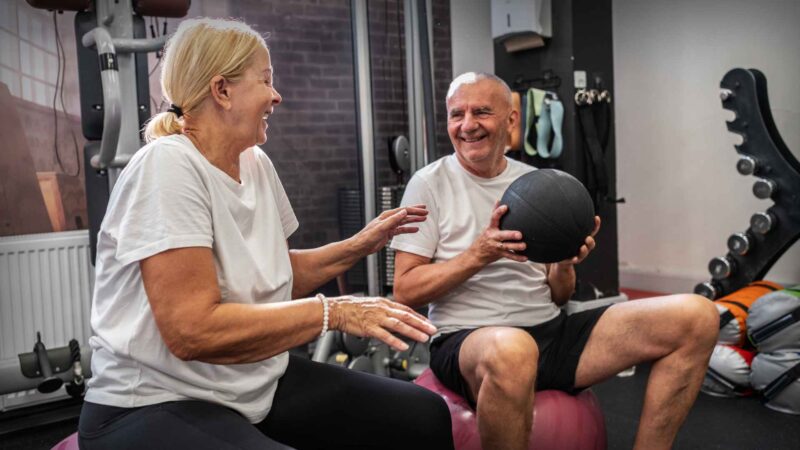
Gerontological physiotherapy in falls prevention and prehabilitation
Dr Rik Dawson is a gerontological physiotherapist and health leader dedicated to improving healthy ageing through evidence-based physiotherapy, digital health and health system reform. As a Postdoctoral Researcher at the Institute for Musculoskeletal Health, University of Sydney, and President of the Australian Physiotherapy Association, he combines research and policy to improve access to high quality care for older people.
-
Next Generation Condom Contraception, Dr Simon Cook
Dr. Simon Cook, Co-Founder and Executive Director of Operations at Eudaemon Technologies, has had a diverse and impactful career journey. Beginning with a background in biotechnology from the University of Wollongong, his focus on bacterial pathogenesis during his PhD led him to study Group A Strep and the streptokinase protein.
Subsequently, Dr. Cook ventured into a unique project funded by the Bill and Melinda Gates Foundation, where he became involved in the development of a next-generation condom to address existing issues such as feel, odour, and taste.
-
Pancreatic and lung cancers driven by mutations in the cancer gene KRAS
Dr Mara Zeissig is a recently appointed Lab Head within the Tumour Inflammation and Immunotherapy Program at the South Australian immunoGENomics Cancer Institute (SAiGENCI).
Her research focuses on studying immune evasion mechanisms in lung and pancreatic cancers to identify novel ways to increase response to immunotherapy. Her expertise is in genetically engineered mouse models of lung cancer, CRISPR-Cas9 screening technologies and T cell based immunotherapies (e.g Checkpoint inhibitors).

Recent Segments
- Drug delivery of targeted therapies for pancreatic cancer, motor neurone disease
- Physiotherapist-led care for musculoskeletal conditions in the emergency department
- RESEARCH IMPACT: 32 years of understanding, diagnosing, treating & preventing the onset of heart disease
- Research Australia Awards celebrate researchers in life-changing science and discovery
- Connecting Students with Careers in MedTech