
-
Next generation nanomedicine and radiopharmaceuticals to treat cancer
Finding better ways of treating cancer, aside from finding a cure, aim to provide a better quality of life for those who suffer from it.
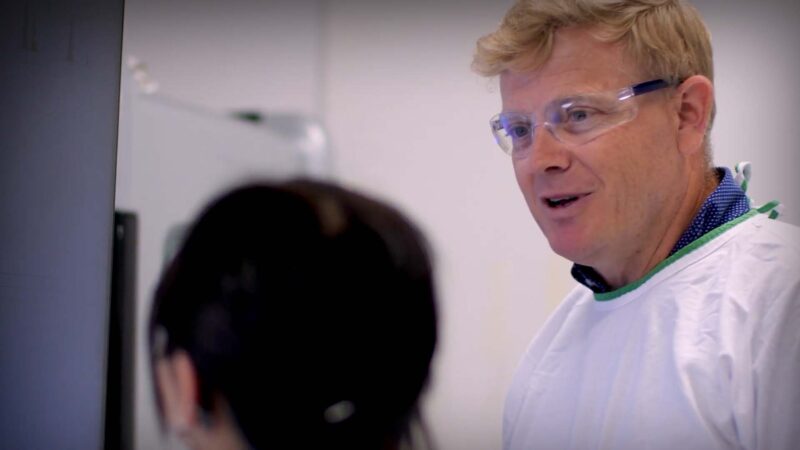
Professor Thurecht’s work focuses on nanomedicine and spans across the Australian Institute for Bioengineering and Nanotechnology and the Centre for Advanced Imaging, at the University of Queensland in Australia.
-
Biopsychosocial approaches to obsessive-compulsive, body image and eating disorders
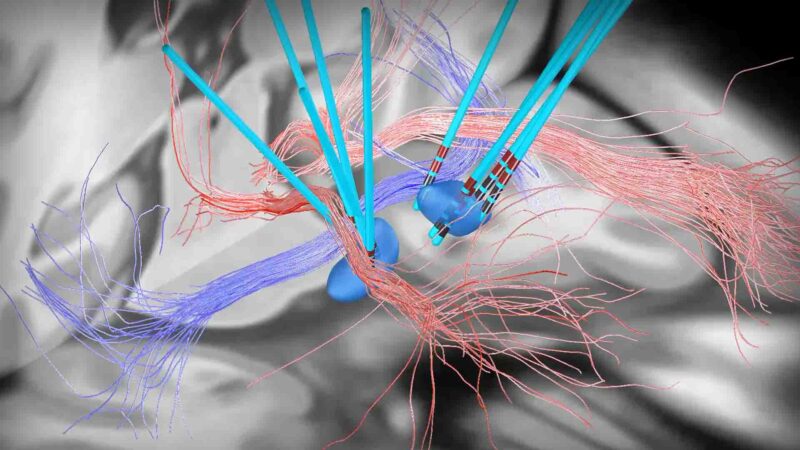
Dr Nicola Acevedo is a Neuroscientist and Research Fellow with extensive expertise in developing novel therapeutics for neurological and psychiatric disorders, contributing to more than ten clinical trials. She specialises in brain stimulation and psychedelic treatments for obsessive-compulsive disorder (OCD) and related conditions, with a strong commitment to advancing personalised, evidence-based neurobiological therapies for severe psychiatric illness. Her approach integrates biopsychosocial and person-centred principles to improve treatment access and mental health outcomes.
-
Investigating the benefits of donor human milk for preterm infants
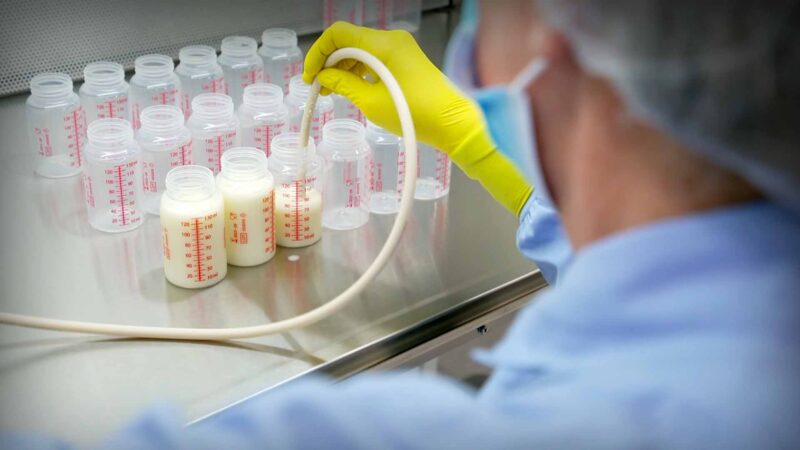
Together, SAHMRI and Lifeblood are leading a consortium to revolutionise the way human milk, and novel products made from human milk, are used as nutritional and medical interventions to improve health outcomes in vulnerable infants, but with potential application for a diverse range of medical indications.
Currently, babies who are born early preterm – before 32 weeks – are given donor milk when their own mother’s milk is not available or in short supply. Whether donor milk is beneficial for babies born just a few weeks early is unclear, as very little research has been undertaken with these babies.
The GIFT Trial will soon commence as an investigation between SAHMRI, the University of Adelaide, the Red Cross Lifeblood Milk Bank conducted at five sites across three states in Australia.
Post Views: 1,610
Role of metabolic dysfunction in advanced prostate cancer
Recent Segments
- Paramedicine workforce across Australian & New Zealand
- New AIDH digital strategy adds pillar to previous aims
- Intersection of multiple births, birth trauma and perinatal mental health
- Trials in treating STIs, vaccines and lipid lowering medications
- Clinical pain neuroscientist talks about how the brain processes pain information