
-
Lymphoma, Myeloma and Genomics
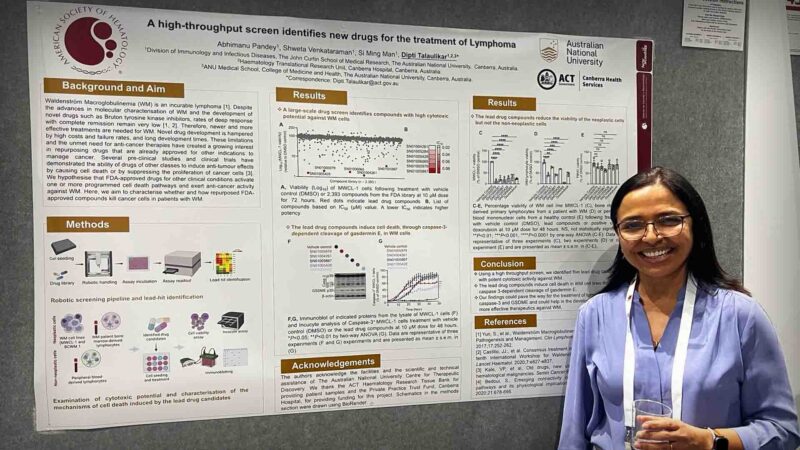
Professor Dipti Talaulikar is a clinical and laboratory haematologist with expertise in genomics, working at Canberra Health Services, and Professor at ANU. She has a clinical and research interest in lymphoma, myeloma and genomics, and has authored close to 100 peer reviewed papers, including several clinical guidelines that have had a significant impact on clinical practice.
-
Integrated Oral Health Care
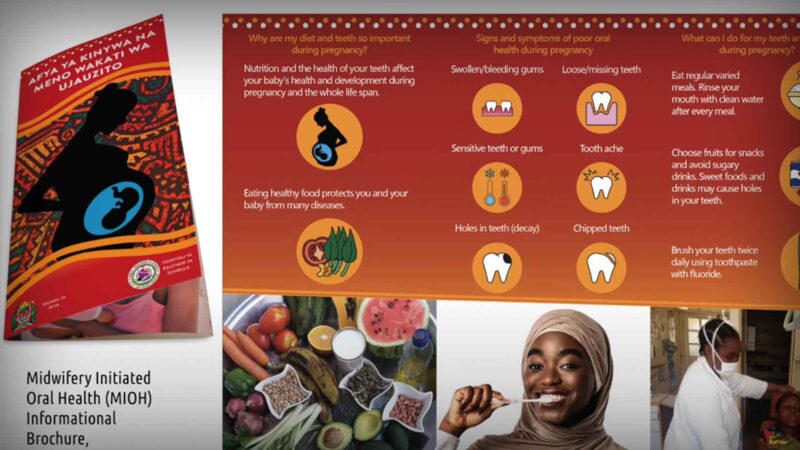
Dr Ajesh George is a Professor of Interprofessional Oral Health in the School of Nursing and Midwifery, Western Sydney University (WSU) and Honorary Professor in the School of Dentistry at The University of Sydney. He is a dentist with extensive experience in integrated oral health care and is a renowned expert globally in providing oral health training to non-dental professionals and translating oral health guidelines into their practice. Dr George is also the Director and Co-founder of the “Australian Centre for Integration of Oral Health” (ACIOH) which is a leading national research centre led by WSU in collaboration with various partners including universities, health services and professional organisations.
-
Respiratory health and the microbiome in the lung environment
Dr Taylor leads the Respiratory Health Group within the Microbiome and Host Health Program. His research employs tailored techniques that allow the lung environment to be characterised to a high level of accuracy, including detailed measurements of airway microbiology (microbiome), mucus composition, and inflammation. This information is used to identify predictive markers of chronic lung disease severity as well as determine effective forms of therapy.

Recent Segments
- Drug delivery of targeted therapies for pancreatic cancer, motor neurone disease
- Physiotherapist-led care for musculoskeletal conditions in the emergency department
- RESEARCH IMPACT: 32 years of understanding, diagnosing, treating & preventing the onset of heart disease
- Research Australia Awards celebrate researchers in life-changing science and discovery
- Connecting Students with Careers in MedTech