-
Earlier identification and early intervention for children who are deaf or hard of hearing
Professor Greg Leigh A held a variety of positions in the education of children who are deaf or hard of hearing before entering academia. He holds a degree in Special Education from Griffith University, a Master of Science (Speech and Hearing) from Washington University and a PhD in Special Education from Monash University. In 2001, he was made a Fellow of the Australian College of Educators and in 2014, he was invested as an Officer in the Order of Australia (AO) for distinguished services to the deaf and hard of hearing community.
-
Lía Aguilar Madariaga
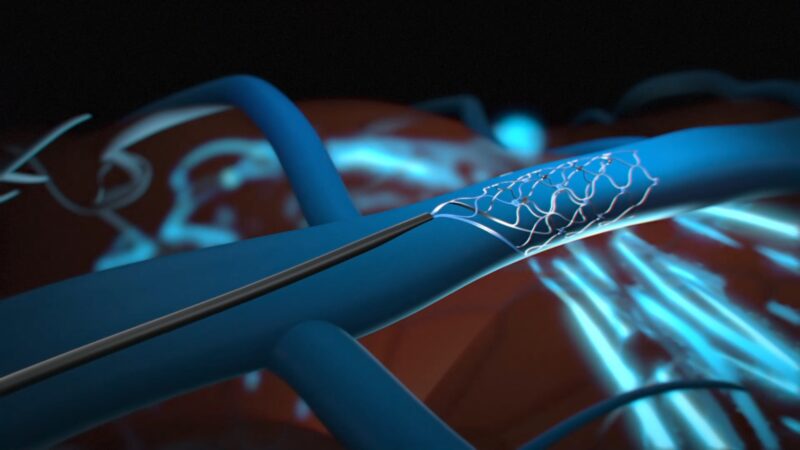
RESEARCH IN BRAIN COMPUTER INTERFACE
@ SYNCHRON
MELBOURNE, VICTORIA, AUSTRALIA -
Role of metabolic dysfunction in advanced prostate cancer
Dr Gunter was drawn to the area of prostate cancer research and the intersection between chronic metabolic disorders and their emerging relationship to cancer. Her strengths include expertise in the metabolic syndrome, insulin signalling and metabolism, and she has a demonstrated record of successful and productive research projects in metabolic research where she now applies her efforts to understanding the role of metabolic dysfunction in advanced prostate cancer.