NANOPARTICLES & MICROPARTICLES TO COMBAT ANTIMICROBIAL RESISTANCE
Dr Anjana Jayasree,
Postdoctoral Research Fellow
School of Pharmacy and Pharmaceutical Sciences
The University of Queensland, Australia
RESEARCHER PROFILE
Filmed in Brisbane, Australia | December 2025
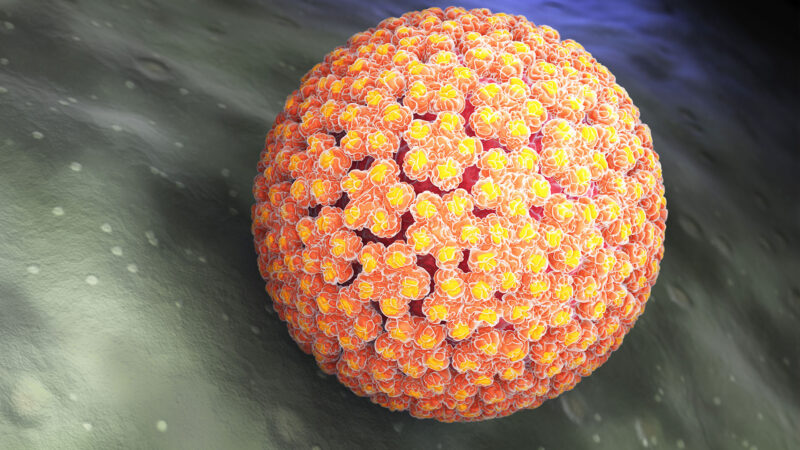
Dr Anjana Jayasree is an emerging research leader in biomaterials, tissue engineering and nanotechnology, recognised internationally for her innovative work on antimicrobial nanoparticles and regenerative therapies. A Postdoctoral Research Fellow at The University of Queensland, she operates at the intersection of materials science, drug delivery and cellular biology, developing advanced metallic-based nanotechnologies to improve both human and animal health outcomes. Her expertise spans nanoparticle synthesis, cell–material interactions, and the design of sophisticated in vitro models to investigate soft-tissue integration, osseointegration, angiogenesis and biofilm formation.
A central pillar of Dr Jayasree’s research is the engineering of next-generation metallic implants with precisely tailored surface modifications that enhance cellular attachment while simultaneously minimising bacterial colonisation and biofilm formation. By integrating bioactive ions, nanoscale architectures and smart antibacterial coatings, her work aims to accelerate healing, strengthen soft-tissue integration and significantly reduce implant-associated infection rates. This multidisciplinary program positions her at the forefront of innovation in regenerative dentistry and biomaterials-driven solutions to antimicrobial resistance.
Beyond her research, Dr Jayasree is a passionate advocate for STEM education and public engagement. She contributes to national outreach programs including Soapbox Science, the Kids STEM Convention and the Wonder of Science Young Science Ambassador initiative, inspiring the next generation of scientists through hands-on learning and accessible communication.
Driven, collaborative and highly creative, Dr Jayasree continues to advance impactful research that bridges fundamental science with real-world clinical and industry needs.
Source: Supplied
You Might also like
-
In his father’s footsteps as a kidney transplant specialist
Since he was a young child, Dr Collins, has been interested in kidney failure and kidney transplants in particular. His father was also a kidney specialist, and he used to sit by the phone when his father, was on call and ringing people who were being offered a kidney transplant. The joy in their voices through this interaction created a lasting and profound impact on Dr Collins. This carried through his career and today he continues to seek better outcomes for Kidney patients.
-
Lía Aguilar Madariaga
RESEARCH IN BRAIN COMPUTER INTERFACE
@ SYNCHRON
MELBOURNE, VICTORIA, AUSTRALIA -
Supportive care for people living with or beyond cancer treatment
Dr Hannah Wardill is a Hospital Research Foundation Fellow and lead of the Supportive Oncology Research Group (SORG), in the School of Biomedicine, University of Adelaide and Precision Cancer Medicine Theme, South Australian Health and Medical Research Institute (SAHMRI). She is an Executive Board Member of the Multinational Association for Supportive Care in Cancer / International Society for Oral Oncology (MASCC/ISOO) and Chair of both MASCC/ISOO Patient Partnership Committee & the Palliative Care Clinical Studies Collaborative (PaCCSC) Cancer Symptom Trials (Gut Dysfunction Node; supported by Cancer Australia).
https://orcid.org/0000-0003-4719-0174