-
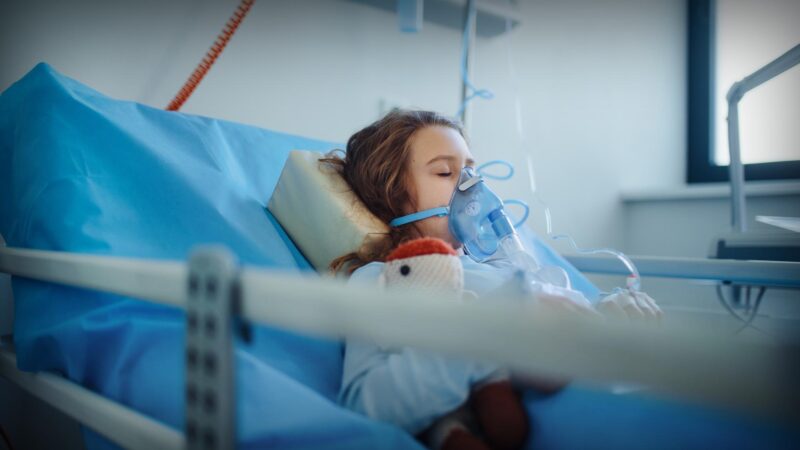
Paediatric haemorrhage and airway procedures
Dr Shane George is a paediatric critical care physician working in paediatric emergency medicine and paediatric intensive care at Gold Coast University Hospital. He is the clinical lead for children’s critical care research for Gold Coast Health, and is a Senior Lecturer at The University of Queensland and Griffith University.
Associate Professor George is also an active clinician researcher on topics that span both emergency medicine and PICU practice including safety in emergency intubation, sepsis, haemostatic resuscitation in children and respiratory support therapies.
-
Mental wellbeing in rural and regional communities dealing with environmental challenges
Associate Professor Suzie Cosh is a psychologist and clinical researcher. Her work focuses on the intersection of climate change and mental health and she currently leads a body of work that focuses on supporting small rural communities to recover from and prepare for extreme weather events such as bushfires, floods and droughts.
-
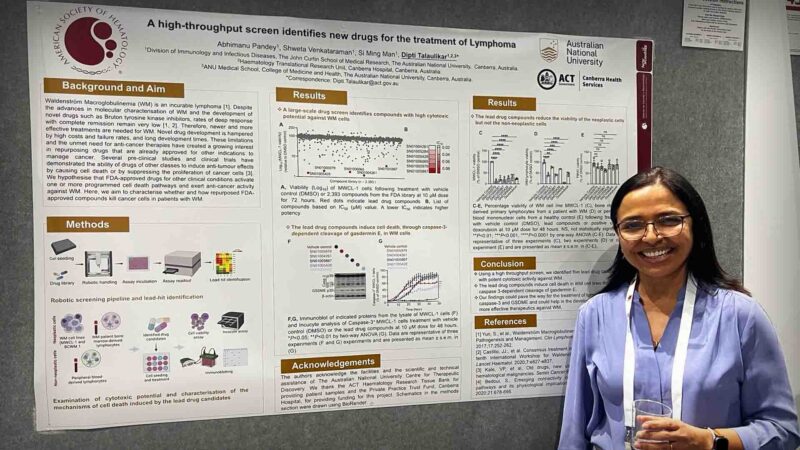
Lymphoma, Myeloma and Genomics
Professor Dipti Talaulikar is a clinical and laboratory haematologist with expertise in genomics, working at Canberra Health Services, and Professor at ANU. She has a clinical and research interest in lymphoma, myeloma and genomics, and has authored close to 100 peer reviewed papers, including several clinical guidelines that have had a significant impact on clinical practice.