
 https://orcid.org/0000-0002-0883-3942
-
Investigating the benefits of donor human milk for preterm infants
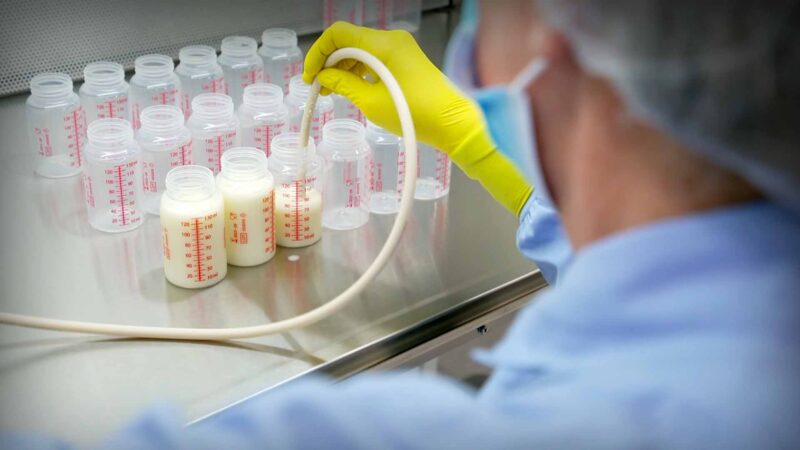
Together, SAHMRI and Lifeblood are leading a consortium to revolutionise the way human milk, and novel products made from human milk, are used as nutritional and medical interventions to improve health outcomes in vulnerable infants, but with potential application for a diverse range of medical indications.
Currently, babies who are born early preterm – before 32 weeks – are given donor milk when their own mother’s milk is not available or in short supply. Whether donor milk is beneficial for babies born just a few weeks early is unclear, as very little research has been undertaken with these babies.
The GIFT Trial will soon commence as an investigation between SAHMRI, the University of Adelaide, the Red Cross Lifeblood Milk Bank conducted at five sites across three states in Australia.
-
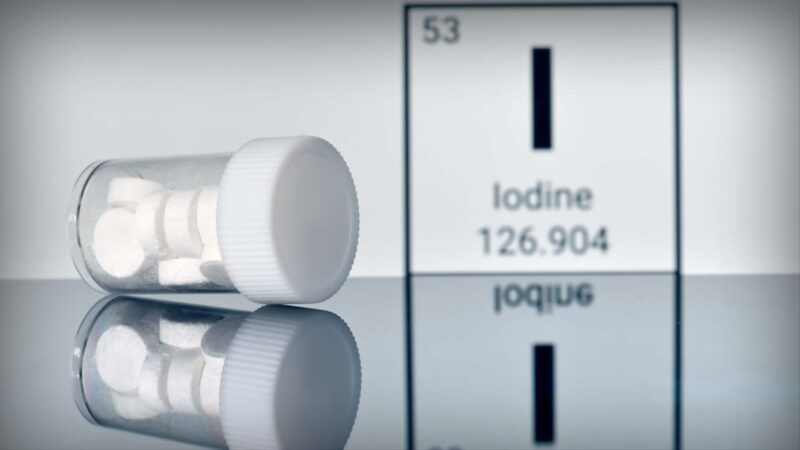
Iodine in pregnancy on baby brain and nervous system development
Dr Karen Best is Senior Research Fellow in the South Australian Health and Medical Research Institute (SAHMRI) Women and Kids Theme. She is a Registered Midwife with a unique breadth of experience in clinical project management, academic skills and knowledge translation and is committed to better understanding the essential role that modifiable exposures in pregnancy play in setting the foundations for a healthy start to life.
-
CASE STUDY Link between levels of extracellular vesicles in the blood and tissue damage caused by diseases
A landmark study led by WEHI and La Trobe University has found a potential new diagnostic marker that could be used to better detect the level of tissue damage in our bodies.
This study revealed, for the first time, a link between levels of EVs in the blood and tissue damage caused by diseases such as leukaemia.
Researchers hope to leverage the critical new insight to develop a blood test to monitor cancer patients with tissue damage, which could, in future, enhance treatment strategies for blood cancers and other diseases.
Post Views: 968
Mechanisms of resistance to menin inhibitor therapy and Acute Myeloid Leukaemia

Recent Segments
- Clinical pain neuroscientist talks about how the brain processes pain information
- Therapy to prevent hepatocellular carcinoma in people with liver cirrhosis
- Identification & characterisation of molecular drivers of therapeutic resistance
- Liver cancer & patient-derived tumour organoids
- Developing upper limb motor biomarkers of dementia