
 https://orcid.org/0000-0003-2527-5417
-
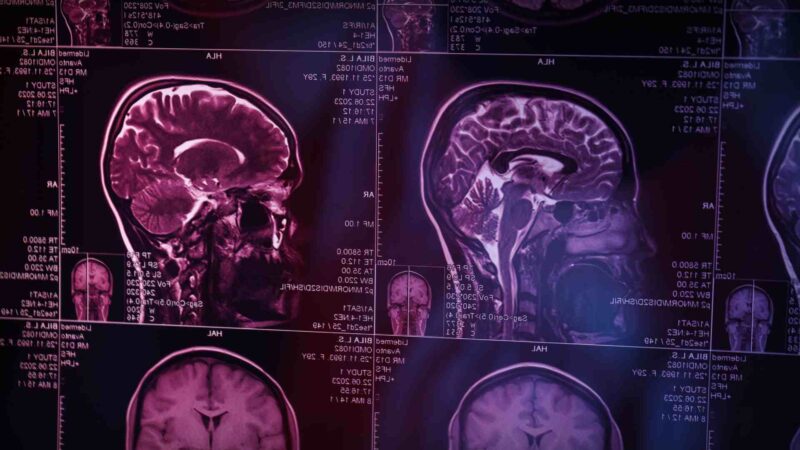
Cellular mechanisms of traumatic brain injury & concussion
Professor Melinda Fitzgerald is Deputy Vice Chancellor, Research at Curtin University, John Curtin Distinguished Professor and CEO of Connectivity Traumatic Brain Injury Australia.
She has published over 135 papers; recent highlights include Lancet Neurology, J Neuroscience, Nature Nano, ACS Nano, Biomaterials. Currently held grants/Projects total $10.1 million; CIA for $5.2 million of these; $18.5 million total research and equipment funding, $9.9 million as CIA; continuous category 1 grant funding as CIA since 2009.
-
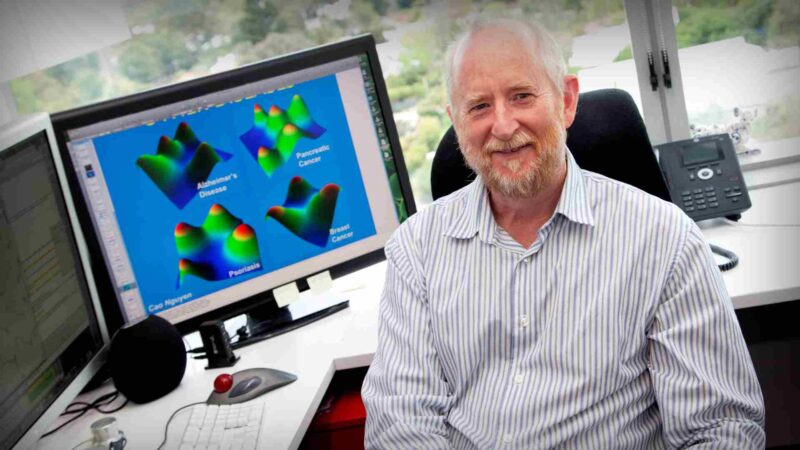
Systems genetics to determine risk of developing diabetes complications
Dr Mara Zeissig is a recently appointed Lab Head within the Tumour Inflammation and Immunotherapy Program at the South Australian immunoGENomics Cancer Institute (SAiGENCI).
Her research focuses on studying immune evasion mechanisms in lung and pancreatic cancers to identify novel ways to increase response to immunotherapy. Her expertise is in genetically engineered mouse models of lung cancer, CRISPR-Cas9 screening technologies and T cell based immunotherapies (e.g Checkpoint inhibitors). -
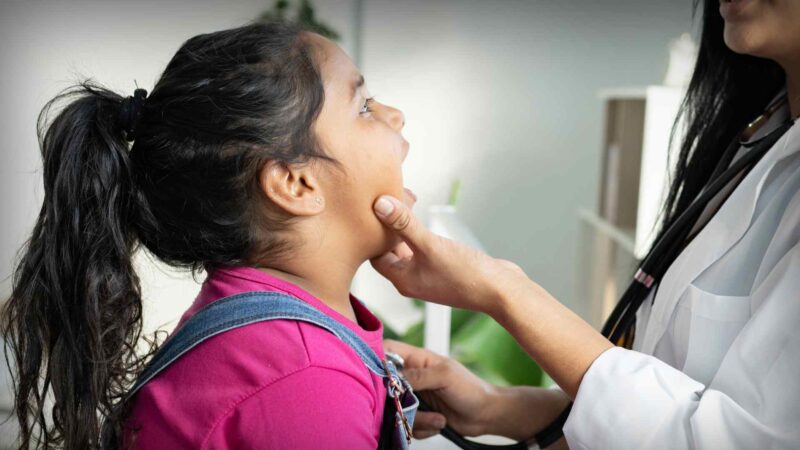
Indigenous Australian health and ear disease
Professor Kelvin Kong feels incredibly fortunate to lead a fulfilling life surrounded by his loved ones. With a demonstrated history of service in the health industry, he brings a wealth of expertise across various sectors including clinical research, medical education, surgery, paediatrics, health policy, and Indigenous education. Kelvin started his university, residing at New College in 1992, which brings him fond memories. Graduating from medicine from the University of NSW, Kelvin continued his studies and became a fellow of the Royal Australasian College of Surgeons (RACS) and Australian Society of Otolaryngology, head & neck Society (ASOHNS).
Post Views: 261
Liver cancer & patient-derived tumour organoids
Recent Segments
- Vaccine effectiveness against infections triggering autoimmune disease
- Significant funding announced for NSW biomedical researchers
- Sydney North Neighbourhood Health Hubs to approach health and welfare in holistic way
- Evolution in consumer diagnostics with saliva based pathology
- Course developed for people with intellectual disability to learn about research