
 https://orcid.org/0000-0003-0038-7391
-
World-first clinical trial improves patient outcomes for kidney transplants (2023)
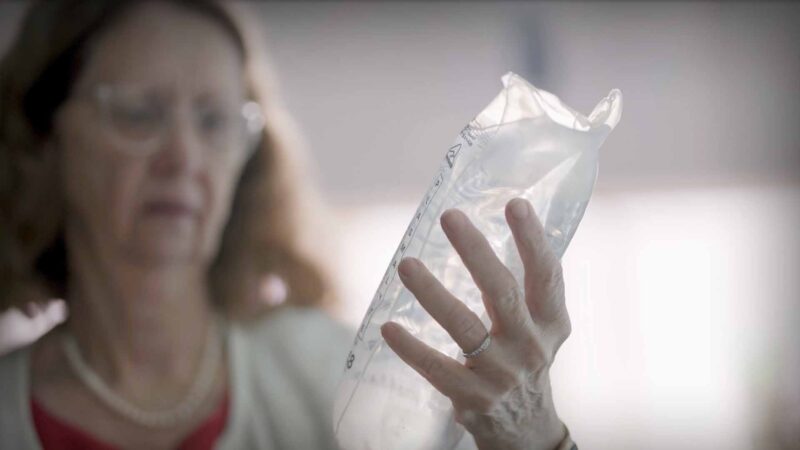
A world-first clinical trial conducted at the Royal Adelaide Hospital (RAH) and at hospitals across Australia and New Zealand has identified the best fluid treatment to reduce the risk of patients requiring dialysis after a kidney transplant.
Around one in three people who receive a kidney transplant suffer delayed graft function, which means the transplant doesn’t work immediately and they require dialysis.
The lead-author of the study, was Royal Adelaide Hospital Nephrologist and University of Adelaide researcher, Dr Michael Collins.
-
Hormone receptor positive breast cancer and therapy resistance
Prof Elgene Lim is a medical oncologist at St Vincent’s Hospital and Head of the Connie Johnson Breast Cancer Research Lab at the Garvan Institute. Following his PhD at the Walter & Eliza Hall Institute where he identified the aberrant cells in carriers of the BRCA1 mutant gene, a hereditary breast cancer syndrome as the culprit cells giving rise to breast cancer, he furthered his research and clinical training at the Dana-Farber Cancer Institute and Harvard Medical School. He was awarded the National Breast Cancer Foundation Practitioner Fellowship in 2014 and returned from Boston to Australia. In 2017, he was awarded the inaugural National Breast Cancer Foundation Endowed Chair, and subsequently appointed the Principal Cancer Theme Lead at UNSW.
-
RESEARCH IMPACT: 35 years of kids’ health research
The Kids Research Institute Australia is one of the largest and most successful medical research institutes in Australia. The Institute has created a blueprint that brings together community, researchers, practitioners, policy makers and funders, who share our vision to improve the health and wellbeing of children through excellence in research. In November 2025, The Kids Research Institute Australia celebrated 35 years of bold ideas, groundbreaking research, and the people who find answers to the big questions about better health outcomes for children and families.
Post Views: 855
Liver cancer biomarkers, risk prediction & progression


Recent Segments
- Clinical pain neuroscientist talks about how the brain processes pain information
- Therapy to prevent hepatocellular carcinoma in people with liver cirrhosis
- Identification & characterisation of molecular drivers of therapeutic resistance
- Liver cancer & patient-derived tumour organoids
- Developing upper limb motor biomarkers of dementia