-
ROCK-induced early-onset bowel cancer progression
Professor Michael Samuel is a cell biologist whose research interest is in understanding how cancer mechanobiology influences the tumour microenvironment, thereby promoting tumour progression. He is Professor of Matrix Biology at the University of South Australia, Adelaide and heads the Tumour Microenvironment Laboratory at the Centre for Cancer Biology and the Cancer Mechanotherapies Laboratory at the Basil Hetzel Institute for Translational Health Research.
-
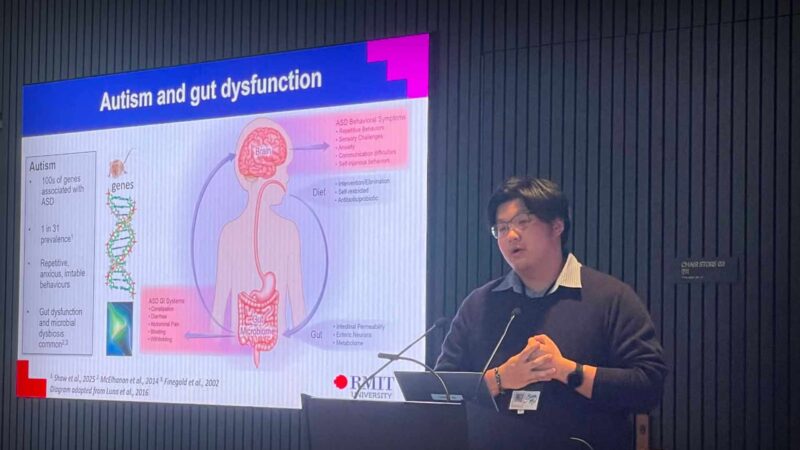
Gut microbiome and gastrointestinal dysfunction in people with autism
Vic Lin is a final-year PhD student in the Gut-Brain Axis Laboratory at RMIT University in Melbourne, Australia. His research focuses on understanding the gastrointestinal dysfunction commonly experienced by people with autism and exploring the connection between the gut microbiome and gastrointestinal function.
-
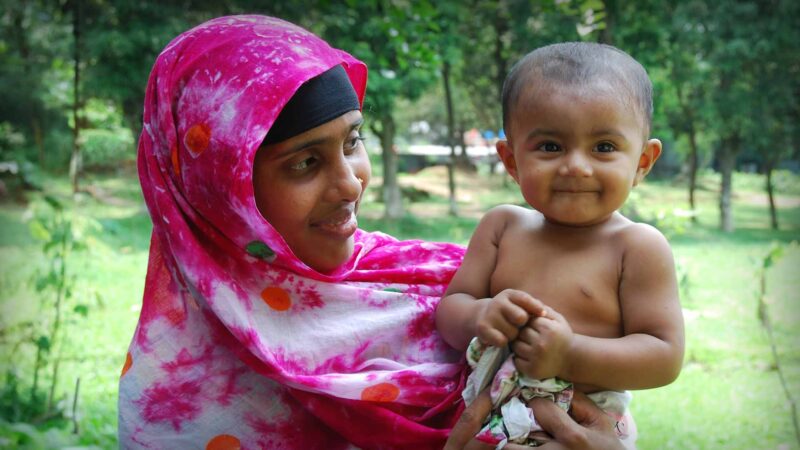
Anaemia guidelines updated after 50 years
Professor Sant-Rayn Pasricha is the Acting Deputy Director at the Walter Eliza Hall Institute of Medical Research in Melbourne, Australia. He is also a clinical haematologist at the Royal Melbourne Hospital and the Peter MacCallum Cancer Centre. From a young age, Prof Pasricha dreamed of becoming a doctor and found joy in learning about the human body and how to care for patients. After completing medical school, he developed a passion for working in low and middle-income countries, which led him to spend time working in East Timor, India, and Central Australia with First Nations communities.