
-
Liver cancer biomarkers, risk prediction & progression
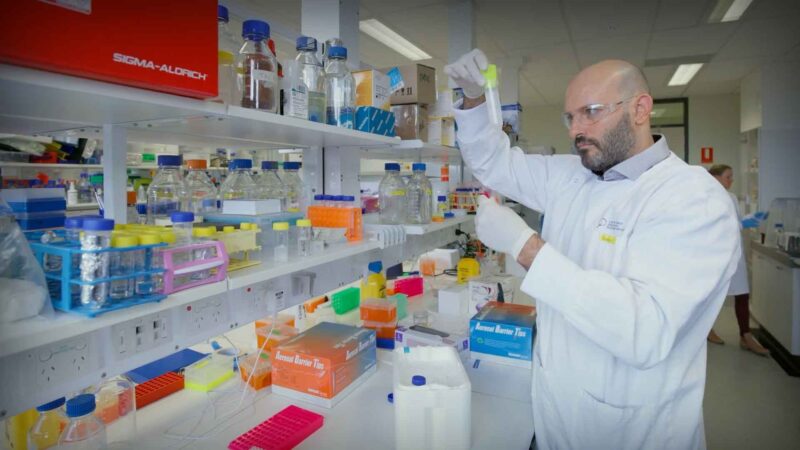
Dr. Rodrigo Carlessi is an expert in Cancer Genomics and Molecular Biology, with an extensive track record in liver cancer research. He leads the Cancer Genomics Group within the Liver Disease and Regeneration Laboratory at the Curtin Medical Research Institute. He has an impressive publication record, with 43 manuscripts that have collectively garnered over 2,680 citations. His research leverages cutting-edge genomics and transcriptomics technologies, as well as long-read DNA sequencing, to explore mechanisms, identify biomarkers, and develop therapeutic targets in liver disease and cancer.
-
Mental wellbeing in rural and regional communities dealing with environmental challenges
Associate Professor Suzie Cosh is a psychologist and clinical researcher. Her work focuses on the intersection of climate change and mental health and she currently leads a body of work that focuses on supporting small rural communities to recover from and prepare for extreme weather events such as bushfires, floods and droughts.
-
Biostatistics in Clinical Trials
As a biostatistician working in research and clinical settings, Kate Francis plays a vital role in ensuring all projects adhere to best practice guidelines and are transparently reported. She has served as the lead statistician for the analysis of clinical trials across a broad range of subject areas, including neonatal resuscitation, BCG for allergy and infection, convulsive status epilepticus and her work has been published in the top journals such as The New England Journal of Medicine, JAMA, and The Lancet. Most recently she was awarded the 2025 Excellence in Trial Statistics Award for her work on the PLUSS trial.
Post Views: 887
Interventions for improving outcomes of children who are deaf or hard of hearing


Recent Segments
- Clinical pain neuroscientist talks about how the brain processes pain information
- Therapy to prevent hepatocellular carcinoma in people with liver cirrhosis
- Identification & characterisation of molecular drivers of therapeutic resistance
- Liver cancer & patient-derived tumour organoids
- Developing upper limb motor biomarkers of dementia