
-
At the frontier of human cellular neuroscience research
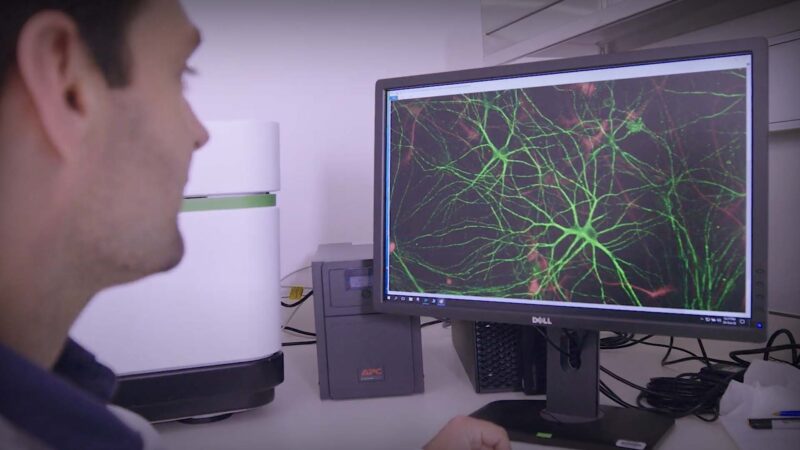
Associate Professor Cedric Bardy is the Director of The Laboratory for Human Neurophysiology, Genetics & Stem Cells, located at SAHMRI. South Australia.
His current research uses preclinical, patient-derived cell models to test innovative therapeutic strategies, with a current focus on Parkinson’s disease, brain cancer and childhood dementia (Sanfilippo syndrome).
His work has established a platform to facilitate the discovery and validation of treatments for brain disorders. Their research is at the frontier of human cellular neuroscience research and translational applications that benefit global public health.
-
Mechanisms of resistance to menin inhibitor therapy and Acute Myeloid Leukaemia
Dr Rithin Nedumannil (MBBS, MPH, FRACP, FRCPA) is a PhD candidate at the University of Melbourne, undertaking his doctoral studies in collaboration with the Cambridge Stem Cell Institute (Cambridge, UK) and the Peter MacCallum Cancer Centre (Melbourne, Australia). He is a clinical haematologist and haematopathologist with current appointments at Peter MacCallum Cancer Centre, the Royal Melbourne Hospital, Austin Health and Northern Health.
-
Funding the best brains to beat brain cancer
The Charlie Teo Foundation is dedicated to funding and advancing research into brain cancer, with a particular focus on developing more effective treatments and finding a cure for this devastating disease.
Since its inception, the foundation has committed nearly $15 million to brain cancer research, funding notable projects in Australia and the United States. These projects explore innovative approaches to understand and treat brain cancer more effectively, with a focus on translating findings from animal studies to human applications. Charlie’s dedication to finding solutions for this devastating disease remains unwavering as he travels frequently to collaborate with global researchers.
Post Views: 843
Exercise program for the prevention of osteoporotic fracture


Recent Segments
- Clinical pain neuroscientist talks about how the brain processes pain information
- Therapy to prevent hepatocellular carcinoma in people with liver cirrhosis
- Identification & characterisation of molecular drivers of therapeutic resistance
- Liver cancer & patient-derived tumour organoids
- Developing upper limb motor biomarkers of dementia