
-
Computer science approach to detecting dementia
Watch Xinyi Wang, a researcher at the Wicking Dementia Research and Education Centre, University of Tasmania talk on identifying new approaches to detecting dementia.
-
Genetic disease research imitating function and architecture of organs
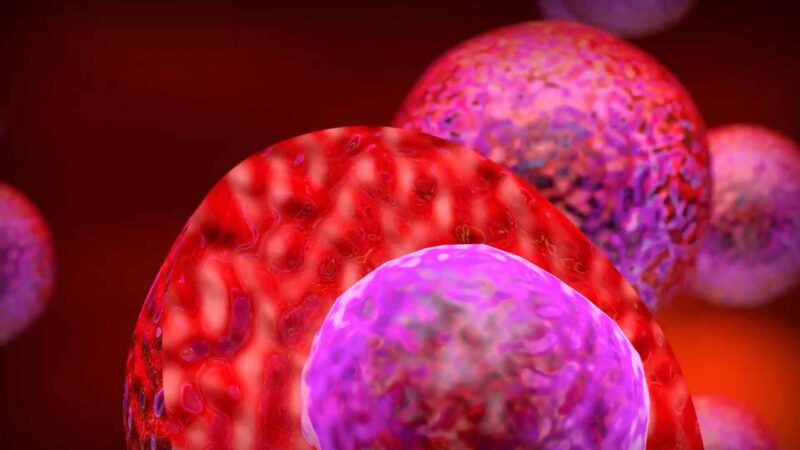
Professor Wolvetang was among the first to bring the first human embryonic stem cells to Queensland, with his Wolvetang Group at the AIBN now renowned for its work with organoids: growing them, studying them, and using them to try and understand diseases and human development.
Using cutting edge technology, Professor Wolvetang designs and grows organoids both for their own work and for labs across the country, coaxing pluripotent stem cells or tissue samples into 3D structures that mimic the function and architecture of real brains, livers, kidneys, spinal cords, and intestines.
-
Muscle Cell Communication and Repair
Dr. William Roman is a Group Leader at the Australian Regenerative Medicine Institute (ARMI) at Monash University. He obtained his PhD from Paris Descartes University and Freie University of Berlin, focusing on nuclear positioning during skeletal muscle development. Dr. Roman’s research journey has taken him across the globe, including postdoctoral work in Barcelona, tissue engineering in Lisbon, and a brief stint at Stanford University.
At ARMI, Dr. Roman leads innovative research on intercellular communication within muscle organs. His work involves growing human muscles on chips to understand how skeletal muscle cells interact with neurons and tendons. This research aims to develop better models for studying muscle diseases, drug screening, and even applications in cellular agriculture and biorobotics.
Post Views: 1,347
Clinical guidelines for diagnostics and early intervention in Primary Aldosteronism


Recent Segments
- Clinical pain neuroscientist talks about how the brain processes pain information
- Therapy to prevent hepatocellular carcinoma in people with liver cirrhosis
- Identification & characterisation of molecular drivers of therapeutic resistance
- Liver cancer & patient-derived tumour organoids
- Developing upper limb motor biomarkers of dementia