Dr Paul Griffin
MATER HEALTH SERVICES, QUEENSLAND, AUSTRALIA

MATER HEALTH SERVICES, QUEENSLAND, AUSTRALIA
Pioneer in health care, Geriatrician Professor Susan Kurrle, Curran Professor in Health Care of Older People at the Faculty of Medicine and Health, University of Sydney AO spoke after receiving the Australian Healthcare and Hospitals Association 2022 Sidney Sax medal award.
The Sidney Sax medal is awarded for outstanding contributions to the development and improvement of Australia’s healthcare system.
Men’s urological needs refer to the medical and surgical conditions that affect the male urinary tract system and reproductive organs.
A urologist can address these concerns, however a pharmacy-led model of care developed by Brad Butt, called Mens Health Downunder has offered an alternative to certain urological needs of the male adult population over the past 10 years.
Australian Health Journal met with Brad to hear about his journey, Mens Health Downunder and the impact the pharmacy-led model of care has had on patient’s urological as well as mental health.
Jamie Stanistreet
Retired Managing Director Medtronic Australia and New Zealand
talks Medical Technology in Australia and the Asia-Pacific
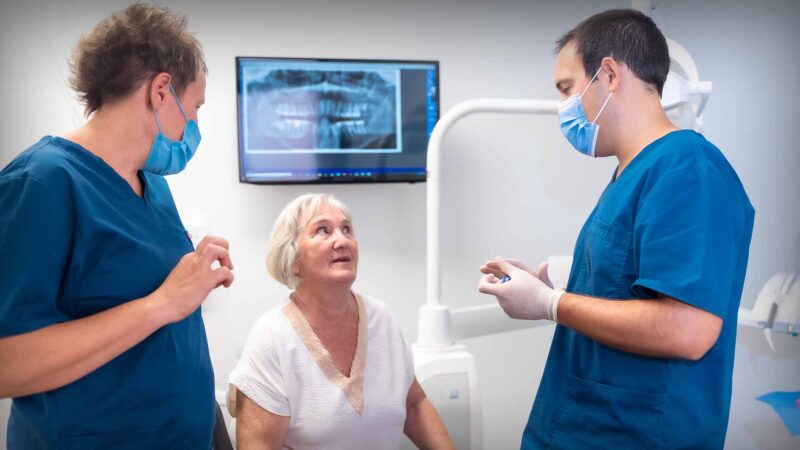
In 2023, there are a number of changes occurring in dental services including the start of a new Senate inquiry and new registered nurses in residential aged care. Yet in the meantime there are gaps and delays in dental and oral health interventions for elderly Australians, unless training is more widely deployed.
Australian Health Journal spoke to Leonie Short, a dental therapist working for Seniors Dental Care Australia on what she considers are dental and oral health priorities for the elderly, based on her work in the aged, home and disability sectors.
BRAIN AND MIND CENTRE
@ UNIVERSITY OF SYDNEY, NEW SOUTH WALES AUSTRALIA
Soft power refers to the ability of a country to influence the behavior of other countries or actors in the international system through non-coercive means. It is the ability to attract and persuade others to support a country’s policies and objectives through the use of culture, ideology, values, and institutions, rather than through military or economic coercion.
World Made Good Sustainable Development Host, Catarina Caria spoke with Daniel F. Runde, the author of a new book that looks at reclaiming global leadership using soft power. Runde’s new book The American Imperative: Reclaiming Global Leadership Through Soft Power addresses what America’s global strategy should look like in an age of renewed great power competition.
In this People In Health Care segment, Dr Gadiyar spoke to Australian Health Journal on how she hopes the app will help increase the number of people seeking dental treatment from the current 47% level in Australia. To date, 120,000 users have downloaded the app with more than 50 dental practices signed up with Smilo.ai to receive individual enquiries or seek dental treatment.
Adjunct Professor Alanna Geary FACN,
Chief Nursing & Midwifery Officer,
Metro North Hospital Hospital & Health Service, Queensland
talks Nursing Leadership
The Chief Executive Officer of Osteopathy Australia, Antony Nicholas spoke with Australian Health Journal about:
– Involvement in the Strengthening Medicare Task Force
– The unique skills osteopaths have that can address the chronic disease burden
– Current workforce issues around osteopaths and if enough are coming through via student placements
– How uploading data to My Health Record by osteopaths could assist team-based care of patients
– How the value of osteopaths in Residential Aged Care Facilities (RACFs) could be better understood and better access for residents
– The recommendations around aged care access to allied health services, including osteopathy
– The recommendations around consumer access to osteopaths and GP referrals
– Other osteopathy recommendations in the upcoming Federal Budget
In the lead up to the Australian Federal Budget in May 2023, Australian Health Journal reached out to peak health industry bodies to hear about their priorities, either noted in pre-budget submissions lodged with Federal Government in January 2023 or in recent forums such as the Strengthening Medicare Taskforce.