
-
Imperatives for women diagnosed with ovarian cancer
Professor Clare Scott, a pioneering clinician scientist at the Walter and Eliza Hall Institute of Medical Research in Melbourne, also serves as a medical oncologist at Peter MacCallum Cancer Centre, the Royal Melbourne Hospital, and the Royal Women’s Hospital.
Her comprehensive training in medical oncology has fuelled her specialisation in gynaecological cancer, combining rigorous research with clinical trials to improve patient outcomes. With over a decade of involvement in ANZGOG, Australia’s foremost gynaecologic cancer research organisation, she is deeply committed to advancing research and saving lives.
-
CASE STUDY: Creating awareness, workforce education & dissemination strategy in national screening
At the recent Screening Conference 2025 in Sydney, hosted by Public Health Association, Dr Rachael Dodd, Senior Research Fellow at The Daffodil Centre, spoke about the information and educational resources created to increase awareness in the healthcare workforce and community on the upcoming Australia’s National Lung Cancer Screening Program commencing in July 2025.
-
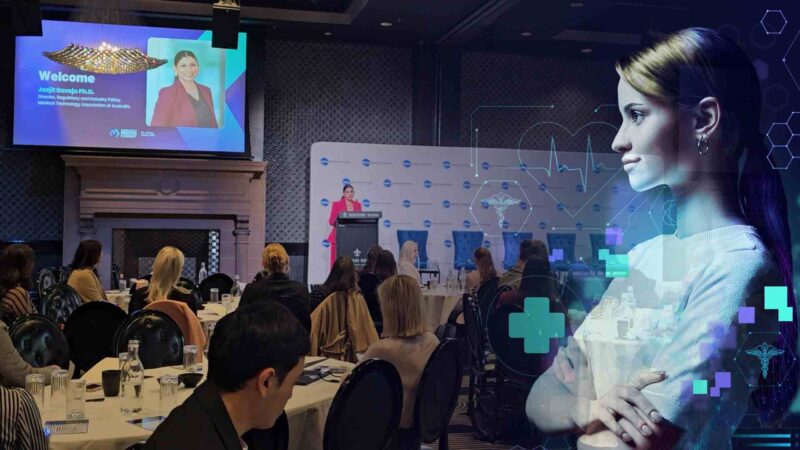
Breaking silos to transform women’s health through MedTech
In an interview with Australian Health Journal, Jasjit Baveja, Director of Regulatory and Industry Policy at the Medical Technology Association of Australia (MTAA), highlighted the growing importance of medical technology in addressing longstanding inequities in women’s health.
Drawing on the outcomes of the inaugural MTAA Women’s Health MedTech Summit, she explained how the event brought together clinicians, researchers, industry leaders, regulators, investors, government representatives and patient advocates to tackle complex challenges through a collaborative approach.
Post Views: 2,057
Smart wearable technology recognised for improving quality of life


Recent Segments
- Research, Mentorship and the PhD Experience
- Immune mechanisms of coeliac disease and gluten-related disorders
- National incubator shifts into gear, announcing vaccine and infectious disease innovation cohort
- LIVED EXPERIENCE: severe aortic valve stenosis (aortic stenosis)
- MedTech Industry invited to NSW Parliament House