METABOLIC HEALTH EXPERT SHARES INSIGHTS ON HEALTHY AGEING AND GROWING PUBLIC INTEREST IN THE FIELD
With
David Beard,
Senior Exercise Physiologist,
Metabolic Health Specialist, HFRC,
Nedlands, Western Australia &
Chair Western Australia Chapter
Exercise and Sports Science Australia (ESSA)
PEOPLE IN HEALTH CARE SEGMENT
Filmed in Nedlands, Western Australia | April 2025
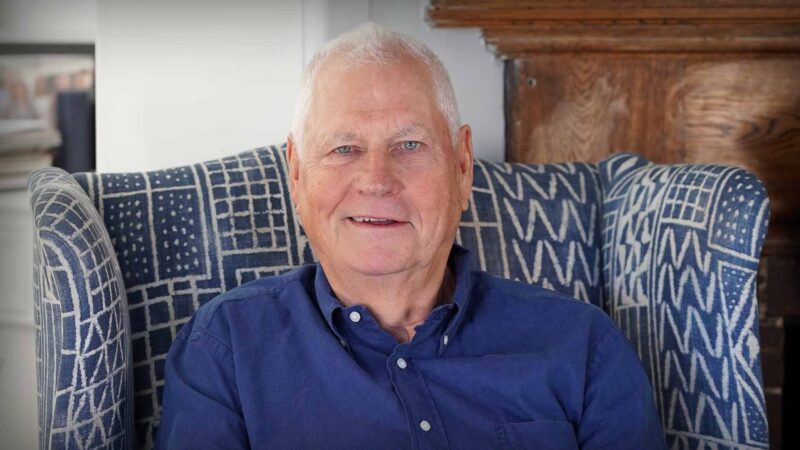
David Beard is a highly experienced Exercise Physiologist with a specialisation in metabolic health and healthy aging. He has spent over 40 years in this profession, even before exercise physiology was formally recognised as a discipline. His extensive background includes over a decade of working in aged care and a strong focus on adult health and fitness. David has authored a book on healthy aging and dedicated the last 10 to 12 years to advancing his expertise in metabolic health issues such as diabetes, weight loss, and inflammatory conditions. He is a co-owner of HFRC in Nedlands, Western Australia, where he has worked for nearly a decade.
A pivotal moment in David’s career occurred when he became one of the first exercise physiologists to work in the aged care sector, making significant contributions to the health of older adults. Passionate about the benefits of exercise and its impact as individuals age, David focuses on improving clients’ metabolic health through personalised strategies involving exercise, nutrition, and lifestyle modifications.
In his role as State Chair of Exercise and Sports Science Australia in WA, David advocates for greater recognition of the profession’s value in managing chronic health conditions. He believes that raising public awareness of metabolic health is essential, as it empowers individuals to understand how their daily choices significantly affect their long-term well-being. Through education and support, David strives to help others lead healthier, more active lives, particularly as they navigate the challenges of aging.
Source: Written by AUDIENCED from transcript
You Might also like
-
Understanding factors of persistent lower back pain in women
Lizzy Quinn is a Musculoskeletal Physiotherapist with 20 years experience focusing on people with spinal pain. Australian Health Journal spoke with Lizzy on the complexities of persistent lower back pain in women.
Lower back pain in women in their 30s, 40s, and 50s is complex to treat due to the combination of physical and emotional factors, and health professionals need to stay updated on best practices and science to provide the best recovery platform for patients. These women typically have busy lives, pressures, and expectations.
-
Sharing the same goals in value-based procurement
Value-based procurement (VBP) is a journey, not a sprint. It’s about putting the patient at the centre of quality affordable healthcare through changes in procurement practices for medical technologies. Patient outcomes drive value and sustainability, not just price. The bigger picture indicates that VBP will create system cost saving through benefitting patients, rather than trying to attain the reverse – a win-win outcome.
-
Forum fosters dialogue in breast cancer
In October 2024, the Frazier Institute hosted an event dedicated to breast cancer advocacy and research, supported by TRI (Translational Research Institute), National Breast Cancer Foundation, PA Research Foundation, Health Translation Queensland, QUT and The University of Queensland Faculty of Medicine/Frazer Institute.
The key aim of the event co-organised by Associate Professor Joy Wolfram, Group Leader, Australian Institute for Bioengineering and Nanotechnology & School of Chemical Engineering, The University of Queensland was to foster dialogue between breast cancer lived experience advocates (consumers), researchers, and clinicians.