-
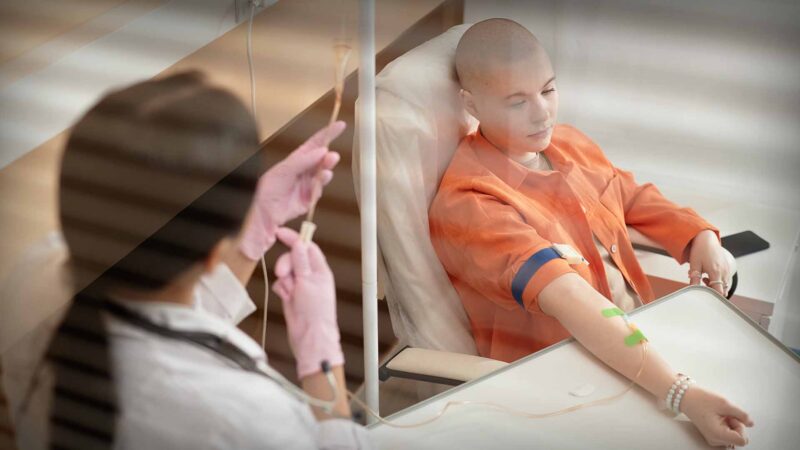
Mission to raise awareness of sarcoma and need for clinical trial funding
Sarcoma, a rare and aggressive cancer, remains the deadliest cancer for children and young adults, accounting for nearly one third (30%) of cancer-related deaths among those aged 15–24 and one tenth (10%) of those aged 0–14. Further, still severely under-diagnosed, sarcoma only accounts for one sixth (15%) of all cancer diagnoses in the 15 – 24 age group, and less than a tenth (8%) among children under 10.
-
Allied Health Leader shares career insights
Mirella Vagnarelli is a distinguished healthcare leader with proven expertise across South Australia and the United Kingdom, where she has successfully led large, multidisciplinary teams. Holding a Master of Business Administration (Health) from Flinders University, she earned Fellowship status with the Australasian College of Health Service Management in 2022. In 2023, Mirella was honoured as a scholarship recipient for the prestigious ‘Women in Leadership’ Program at the Monash Centre for Health Research and Implementation.
-
Reporting on Australian childhood visual impairment: the first 10 years
The Australian Childhood Vision Impairment Register (ACVIR), the first of its kind in Australia, captures uniquely Australian data which is used to improve services for children with vision impairment. The data is also available to researchers who work in the area of eye disease and disorders of vision.