
-
Awareness campaigns and HCP Toolkits for thyroid health
In 2021, the Australian Thyroid Foundation released analysis to show, well over 1 million Australian are living with an undiagnosed thyroid disorder, including thyroid cancer, lower IQs, lifelong disability, and a causal or possible contributory factor – in the development of other neurological disorders such as ADHD and autism. Some of the challenges for diagnosis and treatment can be addressed by producing material for health care practitioners during patient presentations.
‘Recent statistics show well over 1 million Australians are living with an undiagnosed thyroid disorder, awareness and testing can prevent unwarranted outcomes for mothers and their babies’ says ATF CEO Beverley Garside OAM
The Australian Thyroid Foundation has lodged a Pre-Budget Submission for the Federal Budget 2024-25 to counter increasing misinformation on social media creating dietary deficiencies such as an increasing number of young women, who are planning pregnancy or already pregnant opting for plant based milks such almond, soy or oat milk coffee as an alternative to standard cow’s milk, which is a source of iodine and alternate milks do not include.
-
Prioritising Oral Health in Aged Care and Disability Support
Leonie Short is a Dental Practitioner and Dental Therapist. She started working as a dental therapist in Rural NSW and then moved into being an academic and researcher. Through her career, Leonie has worked at 6 universities across New South Wales and Queensland, and remaining community focused.
Leonie’s mission is to have improved oral health experiences and outcomes, however she recognises, the health system really needs to work hard to make it happen and for people to understand why it needs to be a priority.
-
From Canadian dental graduate to Australian orthodontic practice
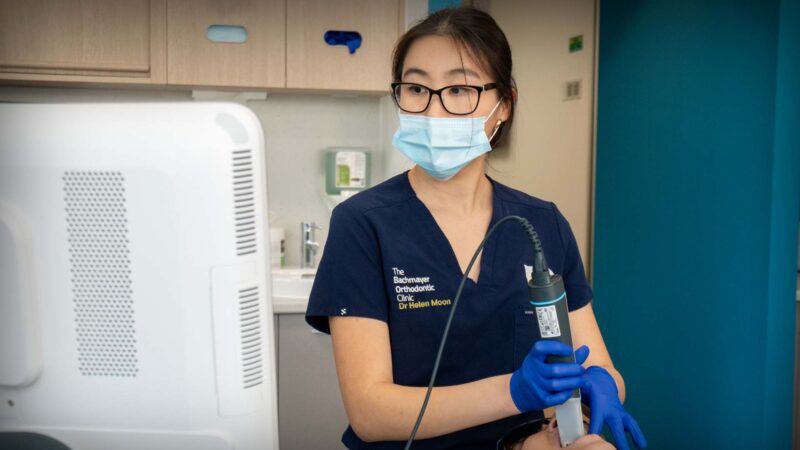
Dr Helen Moon is a Specialist Orthodontist dedicated to delivering evidence-based, patient-centred orthodontic care. She graduated from the University of Queensland with a Bachelor of Dental Science (Honours) and began her career as a general dentist, gaining valuable experience over 2.5 years in comprehensive dental practice. This foundation provided her with a broad understanding of oral health before she pursued advanced specialist training in orthodontics.
Post Views: 892
Mission to raise awareness of sarcoma and need for clinical trial funding

Recent Segments
- Research, Mentorship and the PhD Experience
- Immune mechanisms of coeliac disease and gluten-related disorders
- National incubator shifts into gear, announcing vaccine and infectious disease innovation cohort
- LIVED EXPERIENCE: severe aortic valve stenosis (aortic stenosis)
- MedTech Industry invited to NSW Parliament House