
-
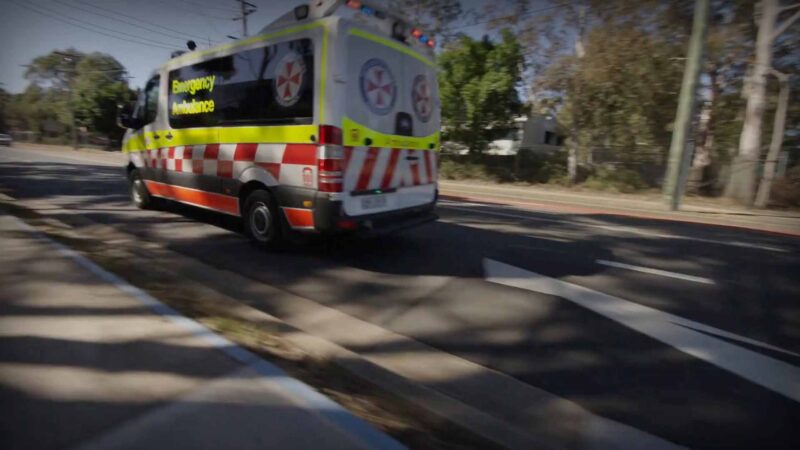
Paramedics seek team-based primary health care pilots
The Chief Executive Officer of The Australasian College of Paramedicine, John Bruning spoke with Australian Health Journal about the following:
New models of care proposed for paramedics
Paramedicine pilot program in the pre-budget submission
Scope of how paramedics can support General Practice, and guidelines on safety and quality
Current limitations experienced by paramedics needing to be addressed by Government
Other health priorities hopefully addressed in Federal Budget.In the lead up to the Australian Federal Budget in May 2023, Australian Health Journal reached out to peak health industry bodies to hear about their priorities, either noted in pre-budget submissions lodged with Federal Government in January 2023 or in recent forums such as the Strengthening Medicare Taskforce.
-
Inaugural Rural and Remote Health Awards
Rural communities are a foundation of the economy and society and must be kept healthy.
There are significant personal, professional and financial rewards for rural healthcare professionals. However, there are also challenges – isolation, long hours, confusion about where to turn for support.
To acknowledge and celebrate the work of Rural and Remote Health Professionals, Rural Health Pro have launched the inaugural National Rural and Remote Health Awards.
-
Rapid trend shift in radiology technology and accessibility
Dr Mansoor Parker obtained his medical degree from the University of Tasmania. He then completed his specialist radiology training at Nepean Hospital, Sydney with subspecialty interests in Interventional Radiology and Pain Management, Musculoskeletal, Cardiac and Abdominal Imaging. Dr Parker is a qualified specialist since 2005 and is a member of the Royal Australian and New Zealand College of Radiologists and the exclusive Australasian Musculoskeletal Imaging Group (AMSIG) as well as the Interventional Radiology Society of Australasia (IRSA).
Post Views: 500
Changes in MBS bulk billing incentives address GP capacity in women’s health

Recent Segments
- LIVED EXPERIENCE: severe aortic valve stenosis (aortic stenosis)
- MedTech Industry invited to NSW Parliament House
- Governance, safety and quality of digital health products
- Challenge advances health technologies and medical devices in the MedTech sector
- Recognising clinical trials and the people behind the research