
-
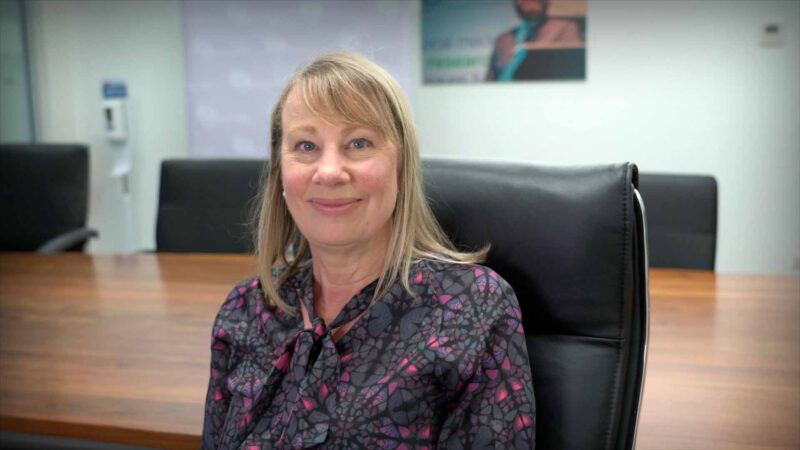
Brain cancer Professor mentors Tasmanian researchers
Rosemary Harrup trained in Victoria and Tasmania in Medical Oncology and Clinical Haematology, completing a dual Fellowship in 2001. She is the current Director of Cancer and Blood Services at the Royal Hobart Hospital (RHH), a role she has held since 2009.
Australian Health Journal spoke to Rosemary about her journey in medicine and specifically her work in Clinical Trials in Brain Cancer and the value she placed on her senior clinicians as mentors and how she now mentors others.
-
The role of genomic screening in transforming public health
Dr Jane Tiller is a lawyer, genetic counsellor and public health researcher. She is Ethical, Legal & Social Adviser in Public Health Genomics at Monash University, and a National Health and Medical Research Council Investigator Grant holder. Jane is passionate about the use of genomics to prevent disease, and in delivering equitable access to preventive genetic information at the population level. She is co-lead of DNA Screen, a world-first study piloting the offer of preventive DNA screening to the Australian adult population. DNA Screen has tested over 10,000 young people for genetic high risk of medically actionable conditions such as cancer and heart disease, finding about 2% of participants had genetic high risk. Jane is leading efforts to secure Commonwealth Government funding to expand the DNA Screen program, with the eventual goal of the development of a public health population screening program for disease prevention based on high genetic risk.
-
More health care volunteers needed for Street Side Medics
Identifying a gap in the healthcare of vulnerable people in New South Wales, Dr Daniel Nour founded Street Side Medics in August 2020, a not-for-profit, GP-led mobile medical service for people experiencing homelessness.
Dr. Daniel Nour is a cardiology advanced trainee at Royal North Shore Hospital and the founder of Street Side Medics, a mobile medical service dedicated to providing GP-led care to individuals experiencing homelessness. The initiative started from a customised van, which serves as a medical clinic, visiting food services and shelters across New South Wales and recently Victoria. Street Side Medics offers free medical care without requiring documentation, ID, or a Medicare card.
Post Views: 15
Research, Mentorship and the PhD Experience


Recent Segments
- Research, Mentorship and the PhD Experience
- Immune mechanisms of coeliac disease and gluten-related disorders
- National incubator shifts into gear, announcing vaccine and infectious disease innovation cohort
- LIVED EXPERIENCE: severe aortic valve stenosis (aortic stenosis)
- MedTech Industry invited to NSW Parliament House