
-
Global MedTech company brings device reprocessing plant to Australia
Cardinal Health is global medical products manufacturer and leading provider of single-use device reprocessing services in the U.S. In Australia and New Zealand, as one of the largest suppliers of medical devices, announced on 23 May 2024 that it will be opening a single-use medical device reprocessing facility in Australia – its first reprocessing facility outside the United States.
On 18 March 2025 at the Health Innovation Living Lab at the John Hunter Hospital, a further announcement was made, on the chosen single-use medical device remanufacturing facility in Beresfield, Newcastle, set to commence operation late 2025, supported by the NSW Department of Primary Industries and Regional Development.
-
Reporting on Australian childhood visual impairment: the first 10 years
The Australian Childhood Vision Impairment Register (ACVIR), the first of its kind in Australia, captures uniquely Australian data which is used to improve services for children with vision impairment. The data is also available to researchers who work in the area of eye disease and disorders of vision.
-
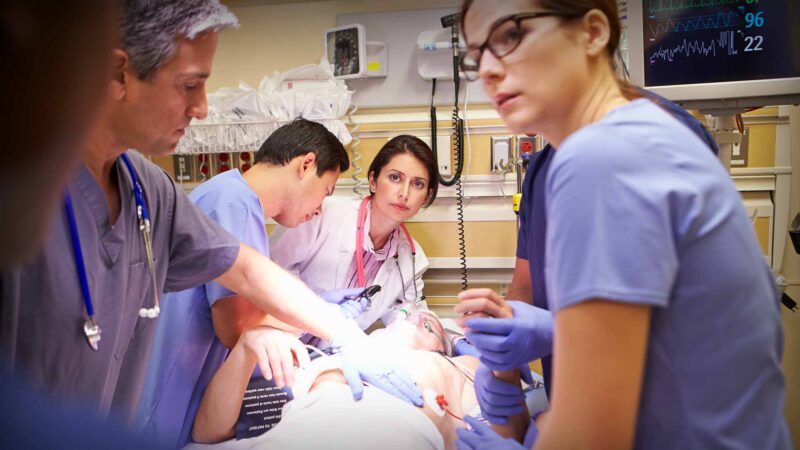
Landmark research projects tackle critical issues in emergency healthcare
For two decades, the demand for emergency department services in Australia has outpaced population growth and wait times have increased. In 2022-2023 more than 8.8 million emergency department presentations occurred nationwide.
While demand is a contributing factor, EDs are currently being impacted by various factors across the entire health system.
The Emergency Medicine Foundation (EMF) is a non-profit organisation funding innovative Australian research that improves the way people are cared for in a medical emergency. The aim of the research is to deliver better and more effective health services to save lives and money.
Post Views: 193
Reframing women’s health as a system-wide agenda across innovation, regulation, workforce and policy


Recent Segments
- Immune mechanisms of coeliac disease and gluten-related disorders
- National incubator shifts into gear, announcing vaccine and infectious disease innovation cohort
- LIVED EXPERIENCE: severe aortic valve stenosis (aortic stenosis)
- MedTech Industry invited to NSW Parliament House
- Governance, safety and quality of digital health products