International Clinical Trials Day 2026, a year in review: Access to Trials
CLINICAL TRIALS IN REGIONAL, RURAL AND REMOTE AUSTRALIA
With
Amanda Koegelenberg,
CEO, Novatrials
INTERNATIONAL CLINICAL TRIALS DAY SERIES SEGMENT
Filmed in Newcastle, NSW | May 2026
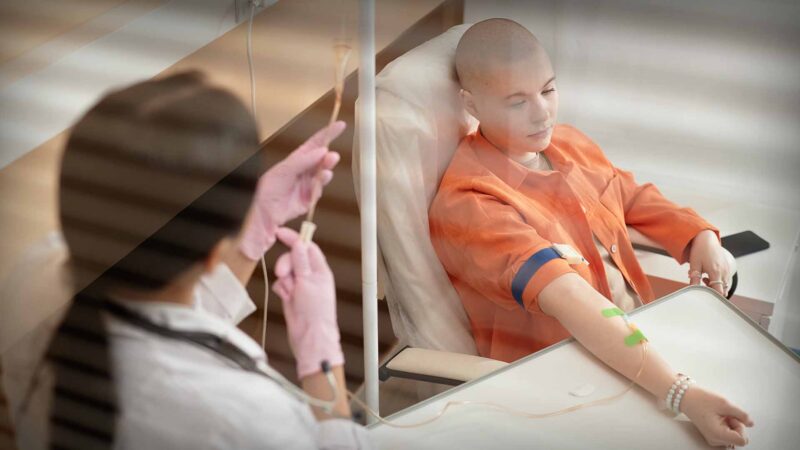
To mark International Clinical Trials Day 2026, Australian Health Journal commences a 4 part special series leading up to 20th May with interviews captured across Australia. Through conversations with leading researchers, clinicians and trial organisations, the series highlights achievements in the year that was for clinical trials. The first segment is an example of how in-person clinical trial access has improved for regional, rural and remote communities.
Novatrials is helping transform access to clinical trials for people living in regional, rural and remote communities across the Hunter New England region and beyond. Based in Newcastle, New South Wales, the organisation was founded with a vision to bring innovative medical treatments closer to communities that have traditionally faced significant travel barriers to access state-of-the-art healthcare.
With the first purpose-built Phase 1 clinical trial facility outside of an Australian capital city, Novatrials is expanding opportunities for participants across Newcastle, the wider Hunter region and regional New South Wales to take part in world-class research closer to home. By conducting Phase 1 through to Phase 4 studies across a range of therapeutic areas, the organisation is helping bridge the gap between laboratory innovation and real-world patient care.
According to CEO Amanda Koegelenberg, the investment in the facility illustrates Novatrials’ commitment to ensuring people in regional and remote areas no longer need to travel vast distances to participate in clinical trials, while also bringing more research investment, innovation and healthcare opportunities into the Hunter New England region.
The segment highlights how Novatrials is working collaboratively with partners including the University of Newcastle, Hunter Medical Research Institute and Hunter New England Local Health District to strengthen the region’s research ecosystem and improve access to emerging treatments for local communities.
Source: Adapted from transcript using AI
You Might also like
-
Belonging in a medical device company
Edith de Boer is the HR Director for Zimmer Biomet in Australia and New Zealand. Her career originally was in telecommunications and consulting in Europe. After leaving The Netherlands, Edith worked into the Australian medical research industry, before moving into a human resources role at Zimmer Biomet. Edith spoke to Australian Health Journal about her role and the organisation.
-
Smart wearable technology recognised for improving quality of life
Nurses have a pivotal role to play in the widespread implementation and adoption of digital health technologies throughout the healthcare sector for the primary purpose of improving safety and quality of patient care.
Australian Health Journal talked to two of Australian top leaders in nursing and in digital health on how the role of nursing is pivotal to the success of digital health in the Australian health system.
-
Imperatives for women diagnosed with ovarian cancer
Professor Clare Scott, a pioneering clinician scientist at the Walter and Eliza Hall Institute of Medical Research in Melbourne, also serves as a medical oncologist at Peter MacCallum Cancer Centre, the Royal Melbourne Hospital, and the Royal Women’s Hospital.
Her comprehensive training in medical oncology has fuelled her specialisation in gynaecological cancer, combining rigorous research with clinical trials to improve patient outcomes. With over a decade of involvement in ANZGOG, Australia’s foremost gynaecologic cancer research organisation, she is deeply committed to advancing research and saving lives.