
 https://orcid.org/0000-0001-5840-943X
-
Impact of NextSense Institute Research in the field of sensory disabilities
NextSense has a 165 year history of providing services and education for individuals with sensory impairments. With the support of donations, NextSense provides vital support for children and adults, more cochlear implants than any other service in Australia, and is a world leader for research, technology and professional education in the fields of visions and hearing loss.
NextSense clinicians are actively involved in a number of leading research projects—both independently and in collaboration with local and international organisations. The NextSense Institute, part of NextSense is Australia’s leading centre for research and professional education in the field of sensory disabilities.
-
Trials in treating STIs, vaccines and lipid lowering medications
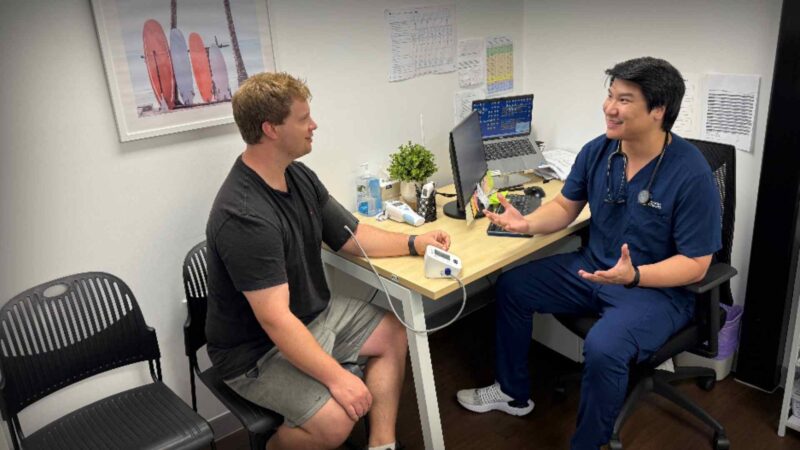
Since joining Paratus Clinical Research in 2022, Dr Pi Lip Seet has served as both Principal Investigator and Sub-Investigator across Phase I–IV industry-sponsored clinical trials. His research experience spans vaccines, immunology, cardiovascular and endocrine disease, respiratory medicine, gastroenterology, pain management, sleep medicine and adult psychiatry. He has been involved in multiple vaccine development programs, including RSV, influenza, COVID-19, herpes zoster and pneumococcal studies.
-
Dental care improvements using informatics and artificial intelligence
a member of the Scientific Advisory Committee for Dentroid, a startup in Australia aiming to revolutionise dentistry with laser technology. He has gained extensive experience in various roles at research-intensive institutions across three different continents.
Post Views: 670
Identification & characterisation of molecular drivers of therapeutic resistance


Recent Segments
- Drug delivery of targeted therapies for pancreatic cancer, motor neurone disease
- Physiotherapist-led care for musculoskeletal conditions in the emergency department
- RESEARCH IMPACT: 32 years of understanding, diagnosing, treating & preventing the onset of heart disease
- Research Australia Awards celebrate researchers in life-changing science and discovery
- Connecting Students with Careers in MedTech