-
Paediatric obesity prevention, nutrition and dietetics
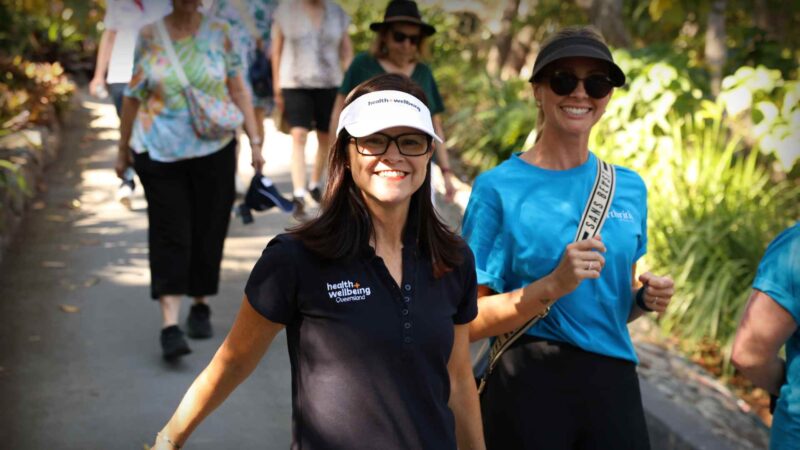
Leveraging a systems-based and collaborative approach, Dr Littlewood over the past 25 years has driven research and data outcomes in the area of health and wellbeing. Dr Littlewood leads a dedicated team focused on making healthy happen for all Queenslanders, with a particular focus on improving health outcomes for the next generation.
-
Trials in treating STIs, vaccines and lipid lowering medications
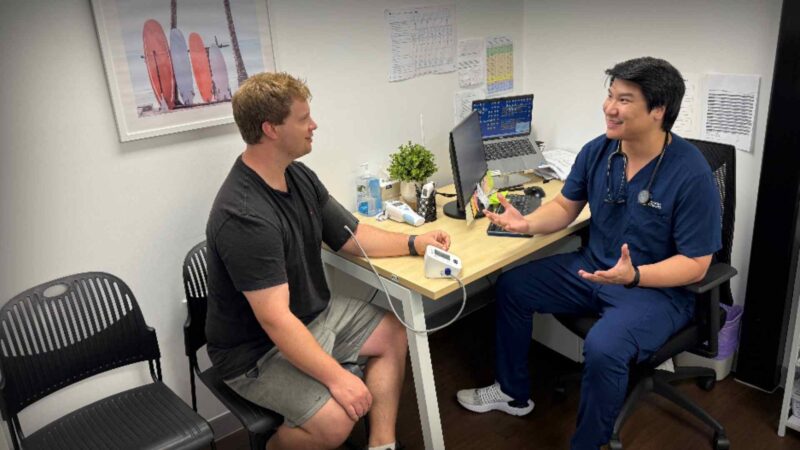
Since joining Paratus Clinical Research in 2022, Dr Pi Lip Seet has served as both Principal Investigator and Sub-Investigator across Phase I–IV industry-sponsored clinical trials. His research experience spans vaccines, immunology, cardiovascular and endocrine disease, respiratory medicine, gastroenterology, pain management, sleep medicine and adult psychiatry. He has been involved in multiple vaccine development programs, including RSV, influenza, COVID-19, herpes zoster and pneumococcal studies.
-
Development of novel analytical and diagnostic tools using nanotechnology and microfluidics
Dr Alain Wuethrich is an NHMRC Emerging Leader fellow and ARC DECRA awardee at the Australian Institute for Bioengineering and Nanotechnology.
Hailing from Switzerland, research focuses on the development of novel analytical and diagnostic tools that harness nanotechnology and microfluidics; two rapidly growing fields with high potential to provide diagnostic solutions needed for precision medicine.