
 https://orcid.org/0000-0003-3059-3620
-
Liver cancer biomarkers, risk prediction & progression
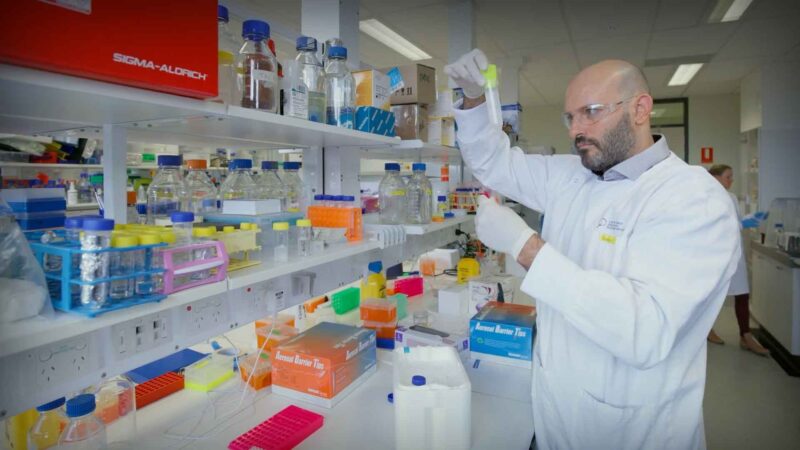
Dr. Rodrigo Carlessi is an expert in Cancer Genomics and Molecular Biology, with an extensive track record in liver cancer research. He leads the Cancer Genomics Group within the Liver Disease and Regeneration Laboratory at the Curtin Medical Research Institute. He has an impressive publication record, with 43 manuscripts that have collectively garnered over 2,680 citations. His research leverages cutting-edge genomics and transcriptomics technologies, as well as long-read DNA sequencing, to explore mechanisms, identify biomarkers, and develop therapeutic targets in liver disease and cancer.
-
Potassium-enriched salt in the management of hypertension
Dr Katrina Kissock is a Research Fellow in Nutrition Implementation Research and Food Policy at The George Institute for Global Health, as well as a Heart Foundation Postdoctoral Fellow and Conjoint Lecturer in the Faculty of Medicine and Health at UNSW.
-
Development of novel analytical and diagnostic tools using nanotechnology and microfluidics
Dr Alain Wuethrich is an NHMRC Emerging Leader fellow and ARC DECRA awardee at the Australian Institute for Bioengineering and Nanotechnology.
Hailing from Switzerland, research focuses on the development of novel analytical and diagnostic tools that harness nanotechnology and microfluidics; two rapidly growing fields with high potential to provide diagnostic solutions needed for precision medicine.
Post Views: 577
Biopsychosocial approaches to obsessive-compulsive, body image and eating disorders


Recent Segments
- Drug delivery of targeted therapies for pancreatic cancer, motor neurone disease
- Physiotherapist-led care for musculoskeletal conditions in the emergency department
- RESEARCH IMPACT: 32 years of understanding, diagnosing, treating & preventing the onset of heart disease
- Research Australia Awards celebrate researchers in life-changing science and discovery
- Connecting Students with Careers in MedTech