
 https://orcid.org/0000-0003-0212-7956
-
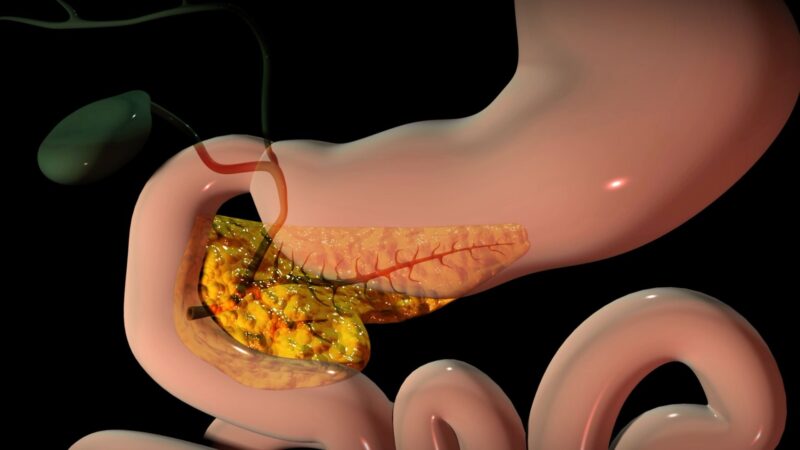
Novel therapy for pancreatic cancers, targeting molecular foundation
Dr Michael Lee is an experienced medical oncologist, sub-specialising in gastrointestinal cancers and neuroendocrine tumours at the Peter MacCallum Cancer Centre.
He plays a key role in molecular tumour boards at VCCC Alliance (Victorian Comprehensive Cancer Centre) and MPCCC (Monash Partners Comprehensive Cancer Consortium), ensuring the accurate and effective use of precision medicine in cancer care across the state.
-
Applying nanotechnology to chronic pain management
Dr Felicity Han is a Research Fellow and Leader in Pain Relief Innovation, at the Australian Institute for Bioengineering and Nanotechnology in the University of Queensland. Dr Han’s research interests sit at the interface of drug delivery and the pain field. Her overarching research goal is to improve the quality of day to day life of patients suffering from chronic pain, by applying nanotechnology to the development of novel highly effective pain-killer products for improving chronic pain management.
-
Impact of NextSense Institute Research in the field of sensory disabilities
NextSense has a 165 year history of providing services and education for individuals with sensory impairments. With the support of donations, NextSense provides vital support for children and adults, more cochlear implants than any other service in Australia, and is a world leader for research, technology and professional education in the fields of visions and hearing loss.
NextSense clinicians are actively involved in a number of leading research projects—both independently and in collaboration with local and international organisations. The NextSense Institute, part of NextSense is Australia’s leading centre for research and professional education in the field of sensory disabilities.
Post Views: 1,345
Neonatal respiratory trials in sick & preterm newborn infants


Recent Segments
- Global Women’s Health report identifies concerning drop in Australian breast cancer screening
- Launch of Paediatric Eye Care Training
- Applying artificial intelligence to medical imaging for cardiovascular disease detection
- From nurse, to roles in medtech marketing, championing women’s health
- Medication management and quality use of medicines