
 https://orcid.org/0000-0001-6766-8345
-
Behavioural science in cancer screening, control and communication
Dr Dodd has an established international reputation as a behavioural scientist in cancer control and communication. Since completing her PhD in 2016, Dr Dodd has been awarded a three-year University of Sydney Postdoctoral Research Fellowship (2018-2021) and a three-year Research Fellowship at The Daffodil Centre (current). Dr Dodd is the co-chair of the ‘Strengthening and optimising approaches to cancer prevention, screening, and early detection’ hub at The Daffodil Centre (with more than 130 staff and students).
-
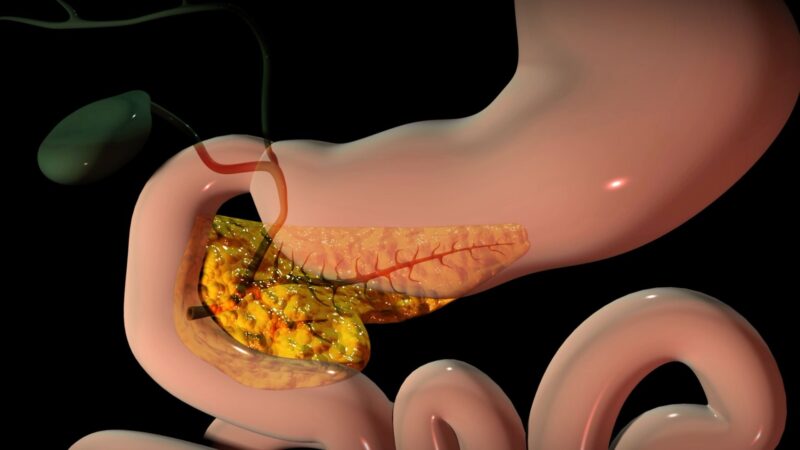
Novel therapy for pancreatic cancers, targeting molecular foundation
Dr Michael Lee is an experienced medical oncologist, sub-specialising in gastrointestinal cancers and neuroendocrine tumours at the Peter MacCallum Cancer Centre.
He plays a key role in molecular tumour boards at VCCC Alliance (Victorian Comprehensive Cancer Centre) and MPCCC (Monash Partners Comprehensive Cancer Consortium), ensuring the accurate and effective use of precision medicine in cancer care across the state.
-
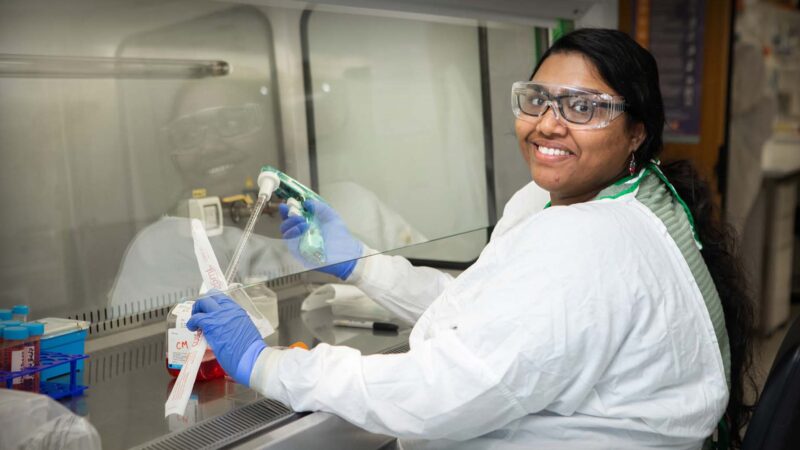
Nanoparticles & microparticles to combat antimicrobial resistance
Dr Anjana Jayasree is an emerging research leader in biomaterials, tissue engineering and nanotechnology, recognised internationally for her innovative work on antimicrobial nanoparticles and regenerative therapies. A Postdoctoral Research Fellow at The University of Queensland, she operates at the intersection of materials science, drug delivery and cellular biology, developing advanced metallic-based nanotechnologies to improve both human and animal health outcomes. Her expertise spans nanoparticle synthesis, cell–material interactions, and the design of sophisticated in vitro models to investigate soft-tissue integration, osseointegration, angiogenesis and biofilm formation.

Recent Segments
- Drug delivery of targeted therapies for pancreatic cancer, motor neurone disease
- Physiotherapist-led care for musculoskeletal conditions in the emergency department
- RESEARCH IMPACT: 32 years of understanding, diagnosing, treating & preventing the onset of heart disease
- Research Australia Awards celebrate researchers in life-changing science and discovery
- Connecting Students with Careers in MedTech